
Home Maintenance · NW Metro Atlanta
Keeping cooling reliable through a Georgia summer comes down to a few habits: change the filter on schedule, keep the outdoor unit clear, make sure the condensate drain line is flowing, and have the system professionally serviced once a year, ideally in spring before the heat peaks. Long stretches of high heat and humidity push an air conditioner hard, and most mid-summer breakdowns trace back to maintenance that was skipped. A little attention now protects both your comfort and the life of an expensive system.
Here is a practical, season-specific checklist for homeowners across NW Metro Atlanta, plus a clear line between what you can do yourself and what calls for a licensed technician.
Key Takeaways
- Change or check the air filter every one to three months during heavy cooling season.
- Keep the outdoor condenser unit clear of debris and gently rinse the fins.
- Confirm the condensate drain line is flowing to prevent water backups and shutoffs.
- Schedule a professional tune-up once a year, ideally in spring.
- Know the warning signs (weak airflow, warm air, odd noises) that mean you should call a pro.
What HVAC tasks can you do yourself this summer?
Several maintenance steps are simple, low-risk, and make a real difference in performance. Build them into your routine once the cooling season starts.
- Replace the air filter: a clogged filter chokes airflow and strains the system. Check monthly during peak use and replace as needed, often every one to three months.
- Clear the outdoor unit: keep at least a couple of feet of clearance, remove leaves and grass clippings, and trim back vegetation so the condenser can breathe.
- Rinse the condenser fins: with the power off, gently hose down the exterior coil from the inside out to clear dust and pollen. Avoid bending the fins.
- Check the condensate drain: make sure the line is draining and not clogged; a backup can trip a safety switch and shut the system down.
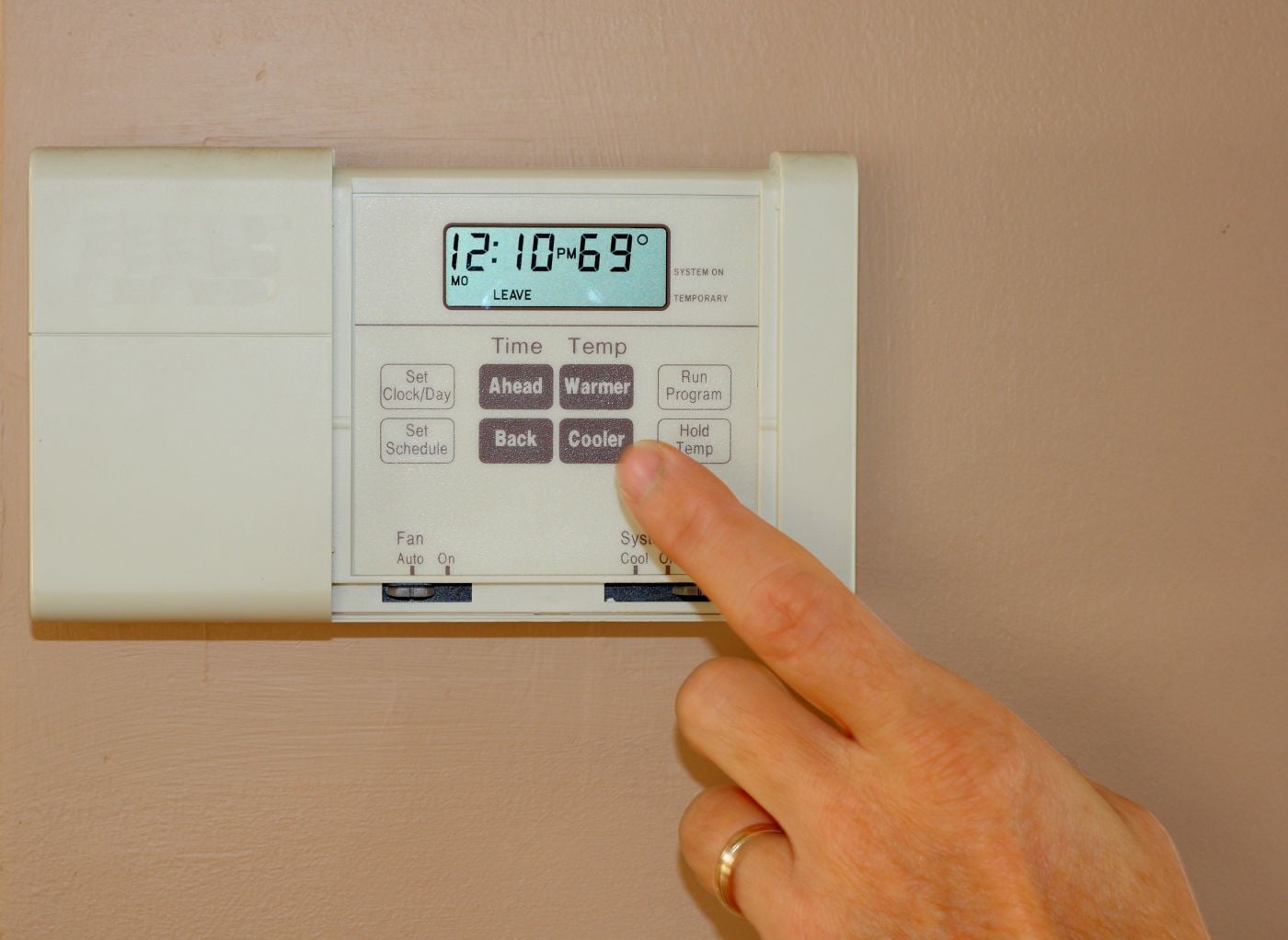
- Test the thermostat: confirm it responds and holds temperature; replace batteries if needed and consider a programmable or smart model.
- Keep vents open and clear: blocked supply and return vents reduce efficiency and strain the blower.
What should you leave to a professional?
Some work involves refrigerant, electrical components, or specialized tools and should be handled by a licensed HVAC technician. An annual tune-up typically covers these items and catches small problems before they become mid-summer failures.
- Checking refrigerant charge and inspecting for leaks.
- Cleaning the indoor evaporator coil and inspecting the blower.
- Testing electrical connections, the capacitor, and the contactor.
- Inspecting the compressor and overall system performance.
- Flushing a stubborn or fully clogged condensate line.
Spring is the ideal time to book service, before technicians get slammed with emergency calls during the first heat wave. If you are buying or selling a home, the system's service history and age are worth documenting either way.
How does the Georgia climate affect your system?
Georgia summers combine sustained high temperatures with heavy humidity, and both work against an air conditioner. The system runs for long stretches, which accelerates wear, and high humidity means the unit is constantly removing moisture from the air, producing a steady stream of condensate that has to drain properly. Pollen and storm debris are also heavy here, so outdoor coils clog faster than in drier climates.
The practical takeaway is that maintenance intervals that might be fine elsewhere are tighter here. Filters load up faster, drain lines clog more readily, and the outdoor unit collects more debris. Staying ahead of those three items handles the majority of avoidable problems. Sustained run times also mean a small inefficiency, a dirty coil or a marginal refrigerant charge, costs you more here than it would in a milder climate, because the system is working long hours day after day. That is the case for keeping up with both the simple homeowner tasks and the annual professional service.
How often should you handle each task?
A simple schedule keeps you from over- or under-maintaining. Use this as a starting point and adjust for pets, pollen load, and how hard you run the system.
| Task | How often | Who |
|---|---|---|
| Check/replace filter | Every 1 to 3 months | Homeowner |
| Clear outdoor unit | Monthly in season | Homeowner |
| Check condensate drain | Monthly in season | Homeowner |
| Full system tune-up | Once a year (spring) | Licensed pro |
| Refrigerant/electrical check | At annual service | Licensed pro |
What warning signs mean you should call for service?
Catching a problem early is almost always cheaper than waiting for a full breakdown on the hottest day of the year. Call a technician if you notice any of the following:
- Air from the vents is warm or noticeably weaker than usual.
- The system runs constantly but never reaches the set temperature.
- You hear grinding, squealing, or banging from the unit.
- Water is pooling around the indoor unit or the system keeps shutting off.
- Energy bills jump without a change in usage.
- You smell burning or musty odors when the system runs.
If the system is older and repairs are adding up, ask the technician for an honest read on remaining life so you can plan rather than react.
How does HVAC upkeep affect a home sale?
If a sale is on your horizon, the cooling system is one of the first things buyers and inspectors scrutinize. A documented service history, a reasonable system age, and clean, functioning equipment all support buyer confidence and can smooth the inspection. Conversely, a neglected system or a unit near the end of its life often becomes a negotiation point. Keeping receipts from annual service and addressing small issues before listing is a low-cost way to protect your position.
For more on preparing a home to show well, see my sellers resources and my helpful guides.
How can you lower cooling costs during the summer?
Maintenance keeps the system healthy, but a few habits reduce how hard it has to work, which shows up on your energy bill. None of these require a service call.
- Use the thermostat strategically: setting the temperature a few degrees higher when you are away, with a programmable or smart thermostat, reduces runtime without sacrificing comfort when you are home.
- Run ceiling fans: moving air lets you stay comfortable at a slightly higher setting, since fans cool people, not rooms; turn them off in empty rooms.
- Manage solar heat gain: close blinds or shades on sun-facing windows during the hottest part of the day to cut the heat load.
- Seal and insulate: weatherstripping, sealed ducts, and adequate attic insulation keep cooled air in and hot air out, easing the load on the system.
- Mind the humidity: Georgia's humidity makes a home feel warmer than it is; a properly sized, well-maintained system removes moisture more effectively, which improves comfort at a given temperature.
- Keep return vents clear: furniture or rugs blocking returns force the blower to work harder.
Small adjustments add up over a long cooling season, and they also reduce wear on the equipment. If your bills are climbing despite these steps and regular maintenance, that is a signal worth having a technician investigate, since it can point to a system that is aging, low on refrigerant, or improperly sized for the home.
Frequently Asked Questions
How often should I change my HVAC filter in summer?
Check it monthly during heavy cooling season and replace it roughly every one to three months. Homes with pets, heavy pollen, or high usage may need more frequent changes.
Why is water leaking around my indoor unit?
The most common cause is a clogged condensate drain line, which can back up and trigger a safety shutoff. If clearing the line does not resolve it, call a technician, since it can also signal a frozen coil or other issue.
When is the best time to schedule an AC tune-up?
Spring, before the first heat wave. Technicians are less booked, and a tune-up then catches problems before the system is under peak summer load.
Can I rinse the outdoor unit myself?
Yes. With the power off, gently hose the exterior coil from the inside out to clear dust and pollen, taking care not to bend the fins. Leave deeper coil cleaning and any electrical or refrigerant work to a pro.
How long should an HVAC system last?
With regular maintenance, many systems last well over a decade, though lifespan varies by equipment, usage, and upkeep. A technician can assess your specific system and estimate its remaining life.
Planning ahead for your home?
Good maintenance protects your comfort now and your home's value later. Whether you are settling in or thinking about a move, I am glad to point you toward trusted local resources and help you plan your next step. Explore my helpful guides, my sellers page, or reach out with questions.
Marna Friedman is a licensed REALTOR® with Atlanta Communities Real Estate Brokerage serving NW Metro Atlanta. This article is general guidance, not professional HVAC advice; consult a licensed technician for your system. Information is deemed reliable but not guaranteed and is subject to change. Equal Housing Opportunity.
Check out this article next