
Luxury · NW Metro Atlanta
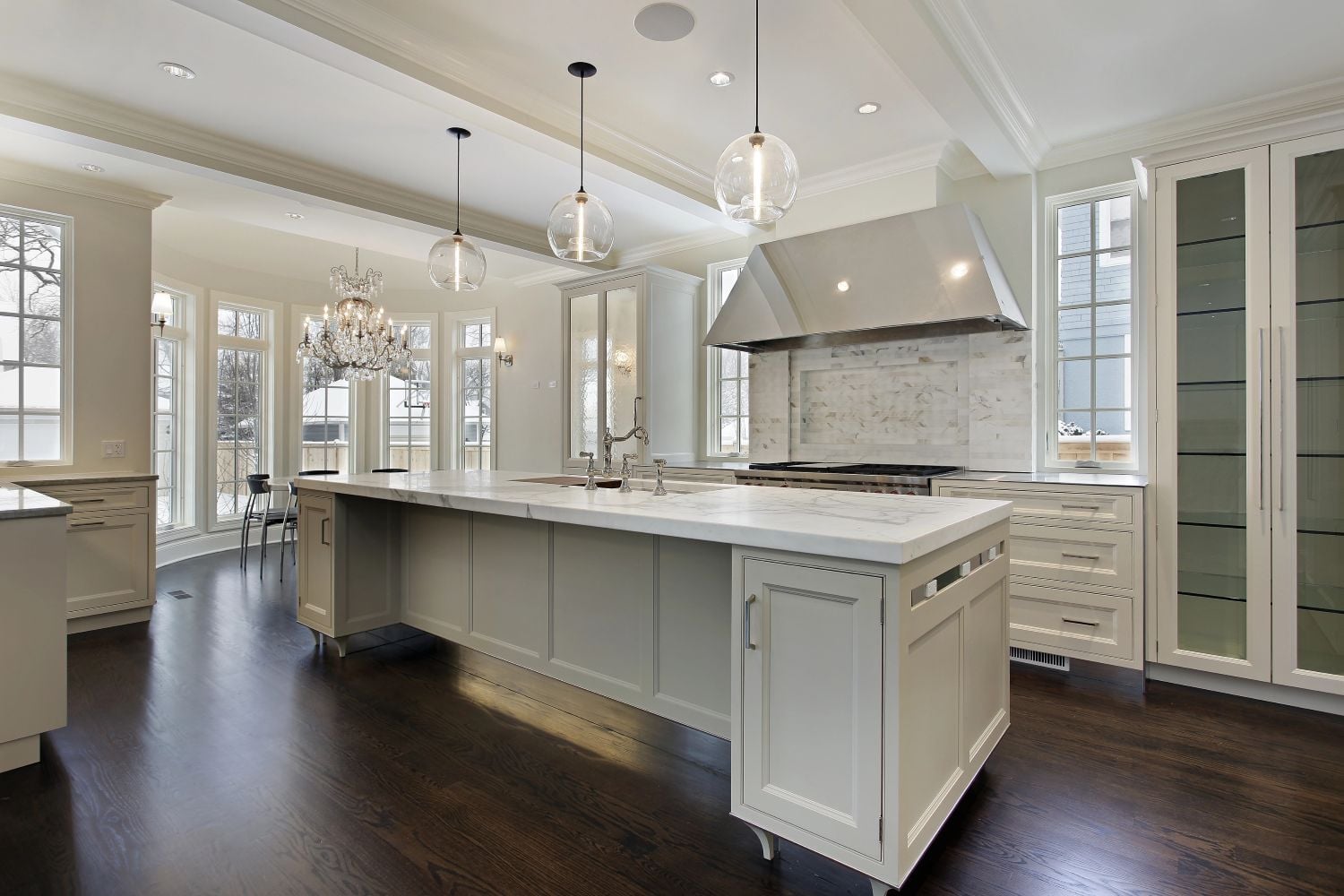
The luxury finishes that hold their value over time tend to share a few traits: genuine quality of materials, timeless rather than trend-driven design, and craftsmanship that ages well. Natural stone, solid hardwood, quality cabinetry and millwork, well-made fixtures, and durable, classic surfaces generally retain appeal far longer than of-the-moment colors, novelty materials, or anything that reads as a passing trend. For a buyer at the estate tier, learning to tell lasting quality from expensive-looking trend is one of the most useful skills, because it protects both your enjoyment of the home and its value when you eventually sell.
Here is a buyer's guide to the finishes that endure, the ones that date quickly, and how to evaluate quality when you tour.
Key Takeaways
- Quality materials and timeless design hold value better than trend-driven finishes.
- Natural stone, solid hardwood, and quality millwork tend to endure.
- Highly trend-specific colors and novelty materials date the fastest.
- Craftsmanship matters as much as the material itself.
- Evaluate finishes for quality, not just appearance, when you tour.
What makes a finish hold its value?
Value retention in finishes comes down to three things working together. Understanding them helps you look past a beautiful first impression to what will still look and perform well years from now.
- Material quality: genuine, durable materials, natural stone, solid wood, quality metal, age better and are perceived as more valuable than synthetic or thin substitutes.
- Timeless design: classic, restrained choices outlast bold, era-defining trends that can look dated within a few years.
- Craftsmanship: how well something is built and installed determines whether it holds up; even fine materials disappoint if poorly executed.
A finish that combines all three, a well-installed natural stone counter, for instance, tends to remain an asset. One that is trend-forward but thin, or beautifully styled but poorly built, is more likely to need replacing or to read as dated to the next buyer. The reason this matters so much at the estate tier is that high-end homes carry a great deal of finish, across kitchens, baths, floors, trim, and built-ins, so the cumulative quality of those choices represents real value. Getting it right protects both your enjoyment of the home and what it commands when you sell.
Which finishes tend to endure?
Certain categories have a long track record of holding appeal. These are generally safe places to invest at the high end.
- Natural stone: quality stone counters and surfaces, properly fabricated, are durable and consistently desirable.
- Solid hardwood flooring: real hardwood can be refinished and reads as quality; it ages better than most alternatives.
- Quality cabinetry and millwork: well-built cabinetry, trim, and custom woodwork signal craftsmanship and last.
- Well-made fixtures and hardware: solid plumbing and door hardware in classic finishes hold up and avoid a cheap feel.
- Timeless tile and stonework: classic tile in restrained patterns endures where novelty patterns do not.
- Quality windows and doors: these affect both performance and perceived quality and are costly to replace.
The common thread is that these are materials and elements a future buyer recognizes as genuine quality, which is exactly what supports value over time. The estate-tier considerations in my Luxury Homes Guide go deeper.
Which finishes date the fastest?
Just as useful is knowing what tends to age poorly. None of these are inherently bad, but they carry more risk of looking dated or needing replacement, which is worth factoring into what you pay. The table contrasts enduring choices with their faster-dating counterparts.
| Category | Tends to endure | Dates faster |
|---|---|---|
| Surfaces | Quality natural stone | Novelty or trend-color surfaces |
| Flooring | Solid hardwood, classic tile | Highly trend-specific patterns |
| Color palette | Restrained, classic tones | Bold, of-the-moment colors |
| Fixtures | Quality, timeless finishes | Trend-driven finish fads |
| Built-ins | Versatile, well-built | Hyper-specialized, single-use |
How do you evaluate quality when touring?
A glossy listing photo cannot tell you whether a finish is genuine quality or merely styled to look expensive. When you tour an estate property, look and feel more closely:
- Check the material, not just the look: confirm whether stone is natural, wood is solid, and surfaces are what they appear to be.
- Inspect the execution: look at seams, miters, grout lines, and how cabinetry and trim are fitted; quality shows in the details.
- Feel the fixtures and hardware: weight and operation often reveal quality that the eye alone misses.
- Assess condition and age: understand how old finishes are and how they have held up.
- Distinguish timeless from trendy: ask yourself whether a choice will still feel current in years, or whether it ties the home to a specific moment.
If something looks impressive but you are unsure of the quality, that is worth investigating, since the gap between genuine and merely impressive is exactly where value is gained or lost. An experienced agent and, where warranted, specialist inspectors can help you assess high-end finishes objectively.
How do flooring and cabinetry signal quality?
Two categories deserve particular attention because they cover so much of a home and are costly to redo: flooring and cabinetry. Both are also areas where the gap between genuine quality and convincing imitation is wide, so they reward a closer look.
With flooring, solid hardwood remains a benchmark at the high end. It can be refinished multiple times over its life, develops character as it ages, and is widely recognized as a quality material, all of which support value. Engineered and look-alike products vary enormously in quality; some are excellent, others thin and short-lived, so it is worth confirming exactly what is underfoot. Natural stone and quality tile in classic patterns also endure, while highly trend-specific flooring choices are the ones most likely to read as dated to a future buyer.
Cabinetry tells a similar story. Well-built cabinetry, solid construction, quality hardware, careful installation, signals craftsmanship throughout the home and holds up to years of daily use. The difference between genuinely fine cabinetry and a thinner product dressed to look similar shows in the materials, the joinery, and how the doors and drawers operate. Because kitchens and primary baths drive so much of a home's appeal, the quality of the cabinetry in those rooms carries real weight. When you tour, open and close drawers, look at how pieces are joined, and notice whether the millwork and trim throughout the home feel of a piece with the cabinetry. Consistency of quality across these elements is one of the clearest signs of a home built to last.
How should finishes factor into your offer?
Finishes should inform what a home is worth to you and what you are willing to pay. A property with genuine, well-executed, timeless finishes carries value that is likely to endure, which can justify a stronger price. One that relies on trend-forward or lower-quality finishes, however striking at first glance, may face the cost of updates sooner and appeal to fewer future buyers, which is worth reflecting in your offer. Think too about your own horizon: if you plan to stay many years, your enjoyment matters most, but the resale picture still deserves a place in the decision. I help clients separate lasting quality from expensive-looking trend so an offer reflects what the home will actually hold over time. The same understanding also helps after you buy: knowing which finishes endure tells you where any future updates are worth investing and which existing finishes are assets to preserve rather than replace. Explore options through my Luxury Lifestyle page and luxury homes listings.
Frequently Asked Questions
What luxury finishes hold their value best?
Generally, genuine quality materials in timeless designs: natural stone, solid hardwood, quality cabinetry and millwork, well-made fixtures, and classic tile, all properly installed. Craftsmanship matters as much as the material.
What finishes date the fastest?
Highly trend-specific colors, novelty materials, bold of-the-moment palettes, and hyper-specialized built-ins tend to age quickly. They can look dated within a few years and may need replacing sooner.
Does quality really matter if a finish looks good?
Yes. Appearance and quality are not the same. A finish can look expensive but be thinly made or poorly installed, which shows over time. Genuine materials and good craftsmanship are what hold value.
How can I tell if a finish is genuine quality?
Look past the surface: confirm the actual material, inspect seams and installation, feel the weight and operation of fixtures, and assess condition. Where it matters, specialist inspection can verify high-end materials.
Should finishes affect how much I offer?
They should inform it. Lasting, well-made finishes support value and can justify a stronger price, while trend-driven or lower-quality finishes may mean future update costs worth reflecting in your offer.
Buying at the estate tier?
Knowing which finishes endure protects both your enjoyment and your investment. I help clients evaluate high-end homes for genuine, lasting quality and weigh it into the price. Explore my Luxury Lifestyle resources, review the Luxury Homes Guide, or reach out to begin.
Marna Friedman is a licensed REALTOR® with Atlanta Communities Real Estate Brokerage serving NW Metro Atlanta. Information is deemed reliable but not guaranteed and is subject to change. Equal Housing Opportunity.
Check out this article next