
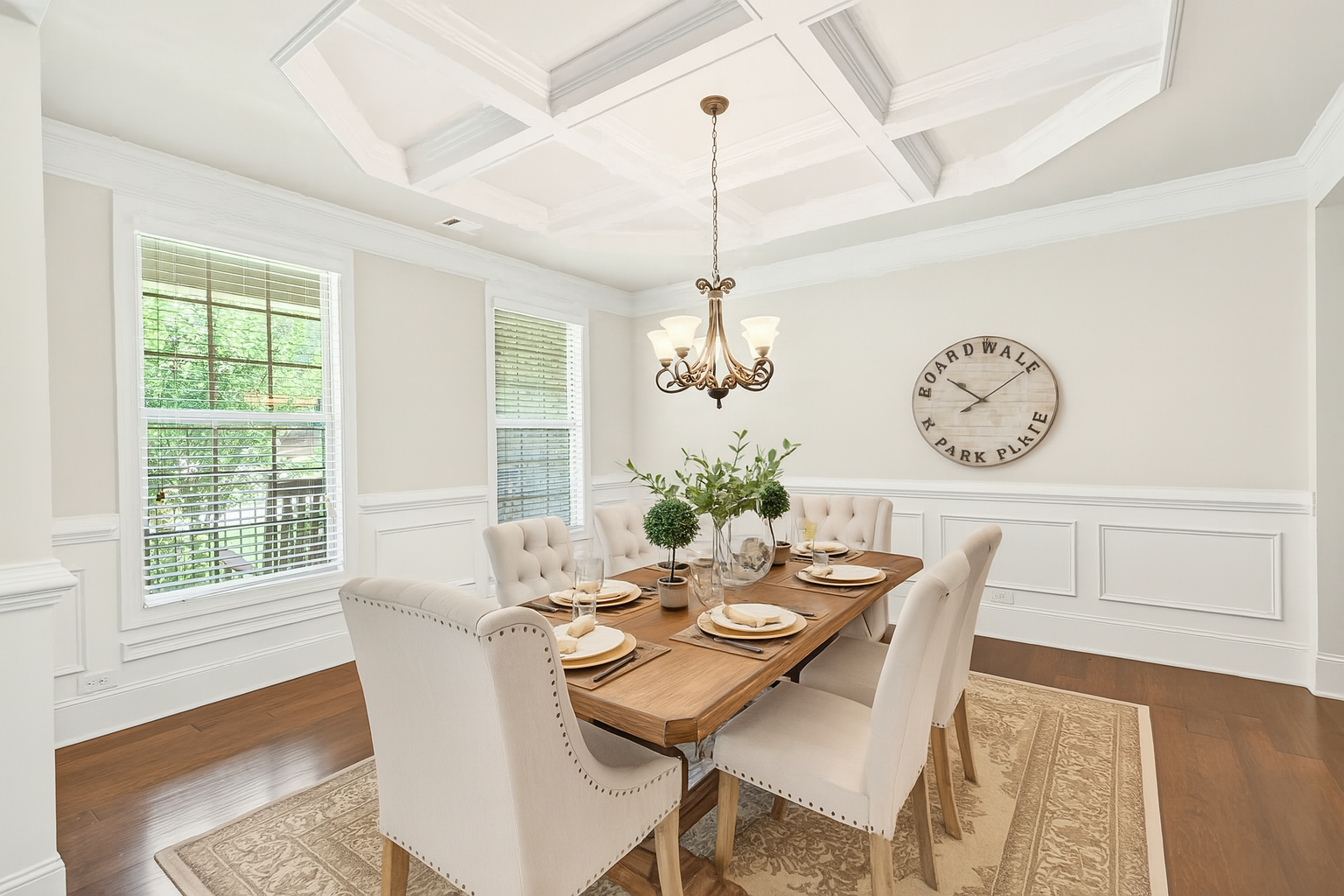
INTRODUCTION
Your home is likely the largest asset you'll ever own. When it comes time to sell, you want every advantage to showcase it in the best possible light. Professional home staging isn't just about making your home look pretty—it's a strategic approach to helping buyers envision themselves living there.
The difference between a well-staged home and an unstaged home can be significant: more showings, more offers, and often a higher sale price. As a certified staging agent and former professional organizer, I've personally helped dozens of sellers stage their homes to sell faster and for better prices in NW Metro Atlanta's competitive market.
In this guide, I'll share the staging strategies that actually work—both professional approaches and budget-friendly options for sellers at different price points.
TABLE OF CONTENTS
- What Is Home Staging and Why It Matters
- Stage for the Majority, Not the Minority
- Curb Appeal: First Impressions Count
- Entry & Living Areas
- Kitchen Staging Strategy
- Bedroom Staging Essentials
- Bathroom Staging
- Outdoor Spaces & Patios
- Virtual Staging: The Modern Staging Essential
- Lighting, Scents & Cleanliness
- Budget-Friendly Staging Options
- Professional Staging vs. DIY
- FAQ: Home Staging
- How I Can Help
What Is Home Staging and Why It Matters
Home staging is the strategic presentation of your home to appeal to the broadest possible buyer pool. Unlike decorating (which is personal to you), staging is about removing personal elements and emphasizing the home's features and flow.
The Impact of Staging: Research shows that staged homes:
- Sell 22% faster than unstaged homes
- Receive 8-10% higher offers
- Attract more serious buyers
- Show better in photographs for online listings
- Create positive emotional responses
For sellers in NW Metro Atlanta's competitive market, this advantage is substantial. The difference between selling in 30 days vs. 60 days, or receiving one offer vs. three offers, can mean tens of thousands of dollars.
This isn't about deceiving buyers. It's about presenting your home in neutral, clean, spacious, and attractive ways that help buyers see the potential and imagine themselves living there.
Stage for the Majority, Not the Minority
This is the most important staging principle: appeal to the broadest possible buyer pool, not niche preferences.
Who Are Your Likely Buyers?
In NW Metro Atlanta, most buyers fall into these categories:
- Families with school-age children (seeking good school districts)
- Young professionals (seeking commute convenience)
- Retirees/empty nesters (seeking downsizing/active adult communities)
- Move-up buyers (seeking larger homes, better locations)
Your staging should appeal to these mainstream buyer groups, not to your personal taste.
What This Means Practically
Remove Personal Elements:
- Family photos (buyers should see themselves, not your family)
- Personal collections (memorabilia, religious items, political statements)
- Trendy décor (bold wall colors, extreme styles)
- Pet evidence (even if cleaned, pet odors/evidence discourage some buyers)
Emphasize Neutral Appeal:
- Neutral paint colors (warm neutrals: beige, gray, taupe)
- Minimal décor (less is more; let home's features shine)
- Clean, organized spaces (shows size and flow)
- Light, bright (good lighting and open feel)
Highlight Key Features:
- Fireplaces (clean, staged to draw attention)
- Architectural details (crown molding, built-ins, hardwood)
- Storage & closets (organized to show capacity)
- Windows & views (clean, uncluttered sightlines)
- Updated systems (highlighting recent upgrades)
Curb Appeal: First Impressions Count
Before buyers step foot inside, they form opinions based on exterior appearance. Curb appeal generates showings. Interior staging closes sales.
Exterior Improvements (Highest Impact, Reasonable Cost)
Front Entrance:
- Paint front door (bold color like black or navy if it complements home)
- Polish hardware (shiny door knob, handle, hinges)
- Add new house numbers (replace old, tarnished ones)
- Update lighting fixtures (replace outdated, dim fixtures)
- Add seasonal plants/flowers in front beds
Landscaping:
- Trim overgrown shrubs (clean, neat appearance)
- Mulch front beds (fresh mulch looks intentional)
- Plant seasonal flowers (adds color, curb appeal)
- Edge pathways (clean borders increase perceived neatness)
- Remove dead plants/branches (signals neglect if present)
Driveway & Walkway:
- Power wash driveway (removes dirt, mold, appearance of age)
- Power wash walkway and entry (same impact)
- Repair cracks if substantial (not cosmetic cracks, but large ones matter)
- Remove weeds from driveway/walkway
- Ensure porch/stoop is clean and inviting
Lawn:
- Mow regularly before showings
- Edge walkways and beds (neat appearance)
- Remove visible weeds
- Ensure sprinklers working (green, healthy lawn)
- Remove yard clutter (toys, bikes, tools)
Condition Check:
- Windows clean (inside and out)
- Gutters clean and intact
- Downspouts directing water away
- No moss/mold on roof visible from ground
- No trash cans visible from front (hide in garage or side yard)
- Porch/stoop swept and clutter-free
Budget: $500-$2,000 depending on landscaping needs. This ROI is strong (often 6-10x return).
Entry & Living Areas
Your entry sets the tone for the entire home. Living areas (living room, family room, great room) are where buyers often imagine themselves.
Entry Staging
Immediate Impact:
- Clear entryway (remove shoes, coats, clutter)
- Light and bright (good lighting, open feel)
- Minimal furniture (coat rack, small table; nothing blocking flow)
- Mirror if space allows (increases light, sense of space)
- Subtle scent (vanilla, fresh linen; avoid perfume-y smells)
Flooring:
- Clean and polished (hardwood especially—shows well)
- Area rug if worn flooring (defines space, hides flaws)
- Remove clutter from floors (nothing on the ground)
Living Room/Family Room Staging
Furniture Arrangement:
- Minimal furniture (less is more; shows room size)
- Arrange to define space (furniture arrangement shows flow and function)
- Ensure clear sightlines (you should see across room without obstruction)
- Coffee table centered (creates focal point)
- Nothing blocking views of windows or architectural features
Décor & Styling:
- Neutral, minimal wall décor (maybe 1-2 pieces per wall)
- Throw pillows in neutral colors (adds soft touch without clutter)
- Throws or blankets on furniture (creates cozy, inviting feeling)
- One plant or seasonal arrangement (but not clutter)
- Fireplace (if present, stage as focal point with minimal mantel décor)
Lighting:
- Lamps on side tables (warm lighting, not overhead only)
- Natural light maximized (clean windows, no heavy curtains)
- Dimmers if available (adjustable mood lighting appeals to buyers)
- Avoid rooms that feel dark (upgrade lighting if needed)
Common Mistake: Too much furniture packed into space = room feels small. Less furniture = room feels larger.
Kitchen Staging Strategy
The kitchen is one of the most important rooms for buyers. It's where families gather and spend time. A clean, organized kitchen sells homes.
Kitchen Staging (Updated Kitchen)
Countertops:
- Clear of clutter (minimal items visible)
- Small appliances removed or minimized (blender, toaster in cupboard if possible)
- Fruit bowl with fresh fruit (adds color and warmth)
- Small plant or flowers (adds life without clutter)
- All items organized and intentional
Cabinetry:
- Doors closed (organized appearance)
- Hardware clean and polished (catches light, looks intentional)
- Interiors organized if door glass/open shelving (clean, neat, minimal items)
Sink & Faucet:
- Sink spotless (no dishes, food debris, hard water stains)
- Faucet polished and clean (shows care and attention)
- Dish rack removed (clean, clear look)
Appliances:
- Spotless and gleaming (wipe down stainless steel, clean cooktop)
- Clutter cleared from top (refrigerator empty of photos/papers)
Lighting:
- Bright and clean (replace any burned-out bulbs)
- Under-cabinet lighting if available (highlights counters, creates warmth)
Common Staging Error: Open shelving with dishes on display. Clean, organized open shelving works; cluttered open shelving hurts.
Kitchen Staging (Older/Dated Kitchen)
If kitchen isn't updated, staging is about making it appear as clean and organized as possible:
- Extra clean (spotless shows care)
- Decluttered (minimal countertop items)
- Neutral styling (don't try to hide dated features; showcase functionality instead)
- Good lighting (bright kitchen feels larger and more modern)
Bedroom Staging Essentials
Bedrooms should feel peaceful, spacious, and inviting.
Primary Bedroom
Furniture:
- Bed centered as room focal point (appropriately scaled to room)
- Nightstands with lamps (one on each side)
- Minimal additional furniture (dresser if room allows, but not necessary)
- No TV (reduces perception of space; shows bedroom as peaceful)
Bedding:
- Fresh, neutral bedding (white, gray, taupe, soft colors)
- Minimal pillows (too many look cluttered)
- Throw blanket across foot (adds warmth without clutter)
Décor:
- Wall art minimal (1-2 pieces max)
- No personal photos
- Small plant or flowers (subtle touch)
Lighting:
- Table lamps with good bulbs (warm, inviting lighting)
- Ceiling fixture with dimmer if available
- Natural light maximized (clean windows, light curtains)
Closets:
- Clean and organized (shows storage capacity)
- Minimal hangers visible (organized impression)
- If spacious, leave empty space (shows potential)
Secondary Bedrooms
Furniture:
- Single bed or minimal furniture appropriate to room size
- Can stage as guest room, child's room, or home office (buyer preference)
- Don't assume buyer's intended use
Décor:
- Neutral, minimal (similar to primary bedroom)
- Could have small desk if room is appropriate size for office
- Keep flexible so buyer can envision their own use
Common Staging Mistake:
Overcrowded bedrooms with too much furniture = rooms feel small. Less furniture = rooms feel larger.
Bathroom Staging
Bathrooms are important indicators of home maintenance and condition.
Bathroom Essentials
Cleanliness is Paramount:
- Spotless throughout (surfaces, fixtures, grout, tile)
- Grout clean (darkened grout looks old and dirty; clean looks better)
- No water stains or soap scum
- Thoroughly cleaned/scrubbed
Counter & Sink:
- Clear and clutter-free (minimal items)
- Soap dispenser (one, minimal)
- Small plant or flowers (optional, but adds warmth)
- No personal items (toothbrushes, medications, personal care)
Toilet & Shower:
- Spotless (this matters for buyer perception)
- Shower curtain clean or door clean (gleaming fixtures look better)
- Minimal items on shower/tub edge (one item max)
Lighting & Ventilation:
- Bright lighting (mirrors should reflect light well)
- Fan running if available (shows ventilation)
- No water damage evident
Décor:
- Neutral towels (white or light colors)
- Small rug or mat (neutral color)
- Minimal wall décor
- No personal items visible
Storage:
- Organized and clean if visible
- Cabinets closed (neat appearance)
Common Staging Mistake: Too many decorative items = cluttered bathroom. Clean, minimal = peaceful, spa-like appearance.
Outdoor Spaces & Patios
If you have outdoor space, stage it as an extension of the home.
Patio & Deck Staging
Cleanliness:
- Power wash if needed (removes dirt, mold, appearance of age)
- Clear debris (leaves, twigs, dirt)
- Sweep thoroughly
Furniture:
- Minimal, quality outdoor furniture if applicable
- Creates inviting outdoor living space (but not cluttered)
- One seating area max (shows space, not overcrowded)
Lighting:
- String lights if applicable (adds ambiance without cost)
- Solar lights (subtle, clean look)
Landscaping:
- Trim any overhanging branches
- Clean edge of garden beds
- Minimal decorative items (one plant or small arrangement)
Yard & Landscaping
Visibility:
- Clear views from patio/deck (don't block sightlines with clutter)
- Well-maintained appearance (mowed, edged, weeded)
- Minimal children's toys or equipment visible
Features:
- If pool, showcase (clean, appealing)
- If fire pit, stage similarly to patio
- If garden, neatly maintained
Virtual Staging: The Modern Staging Essential
In 2026, virtual staging has become as important as physical staging. Most buyers see your home online first (photos, virtual tours, online listings). Virtual staging ensures your home photographs beautifully and appeals to digital browsers.
What Is Virtual Staging?
Virtual staging is professional photo editing that digitally "furnishes" rooms, removes clutter, improves lighting, and enhances the home's appeal in photographs. Unlike physical staging (which requires renting furniture, labor, setup time), virtual staging is digital enhancement of actual photos.
Examples of Virtual Staging:
- Adding furniture to empty rooms
- Removing personal items or clutter digitally
- Enhancing lighting and color
- Removing distracting elements (bikes, toys, trash cans)
- Landscaping enhancements (greener grass, fuller bushes)
- Sky enhancements (blue sky instead of gray)
- Decluttering digitally (removing visible mess)
Why Virtual Staging Matters
For Online Listings:
- First impression is online (photos appear on Zillow, Redfin, MLS, your agent's website)
- Professional photos significantly increase showings (studies show 60%+ higher clickthrough)
- Virtual staging makes empty rooms appear spacious and furnished
- Enhanced lighting makes homes appear brighter and more inviting
- Digitally removed clutter changes buyer perception
Buyer Psychology: Buyers can't "see past" poor photos. If your home looks bad online, they won't schedule a showing. Virtual staging fixes this.
Cost Effectiveness: Virtual staging ($50-200 per photo) is far less expensive than physical staging (furniture rental, setup labor, time). It achieves similar or better impact for online viewers.
Professional Virtual Staging: Why It Must Be Done Right
The Critical Difference: Professional vs. DIY
Many sellers attempt DIY virtual staging using apps or basic editing. This often backfires. Here's why professional virtual staging is essential:
Problems with DIY Virtual Staging
Problem 1: Unrealistic Renderings
- Furniture appears "pasted" on (obvious fake)
- Proportions incorrect (furniture too large/small for space)
- Inconsistent lighting (digitally added furniture doesn't match room lighting)
- Buyers immediately recognize it's fake; trust is lost
- Negative perception: "If they're faking photos, what else are they hiding?"
Problem 2: Inconsistent Quality
- App-based staging is basic and limited
- Furniture options generic and obvious
- Color matching poor
- Shadows and lighting don't integrate smoothly
- Final result appears amateurish
Problem 3: Viewer Skepticism
- Overly edited photos create mistrust
- Buyers expect to see "real" home online
- Fake staging discourages serious showings
- When buyers arrive at showing and see reality doesn't match photos, frustration/disappointment
- Can actually hurt sale if discrepancy is significant
Problem 4: Ethical & Legal Concerns
- Heavy editing borders on misrepresentation
- MLS rules require accuracy
- Some jurisdictions have specific rules about staging disclosure
- Risk of legal issues if misrepresentation claims arise
Why Professional Virtual Staging Is Better
Professional Quality Standards:
Realistic Rendering:
- Professional designers understand spatial relationships
- Furniture proportions correct for actual room dimensions
- Lighting integrates naturally (shadows, reflections match room)
- Final rendering appears realistic, not "photoshopped"
- Buyers recognize furniture as aspirational, not deceptive
Consistent Aesthetic:
- Professional designers maintain style consistency across photos
- Color palettes coordinated
- Design approach unified (not random furniture placement)
- Visual storytelling (each room connects to overall narrative)
- Professional presentation signals professional seller
Technical Excellence:
- High-quality image editing tools and expertise
- Proper layer management
- Seamless integration of digital elements
- Color correction and lighting enhancement
- Professional file handling and resolution
Strategic Design:
- Professionals understand buyer psychology
- Furniture/décor choices appeal to target buyer demographic
- Staging emphasizes home's strengths
- Professional design knowledge applied
- Each room presented strategically
Transparency & Trust:
- Professional virtual staging looks aspirational, not deceptive
- Buyers understand it's enhanced but recognize the home's genuine appeal
- "Virtually staged" disclosure is clear (required by most MLS)
- Reduces disappointment at showing (photos accurately represent home's true potential)
- Builds trust rather than eroding it
How Professional Virtual Staging Works
Step 1: Professional Photography
- Agent or professional photographer takes high-quality photos
- Multiple angles, good lighting, clean composition
- Raw photos provide base for virtual staging
Step 2: Identify Staging Opportunities
- Which rooms benefit from virtual staging?
- Empty rooms that need furniture?
- Cluttered spaces that need decluttering?
- Lighting that needs enhancement?
- Landscaping that needs improvement?
Step 3: Professional Virtual Staging
- Virtual staging designer receives photos
- Creates realistic, aspirational staged versions
- Uses professional design principles
- Coordinates across all photos
- Delivers professionally edited images
Step 4: Implementation
- Virtually staged photos uploaded to MLS, websites, listings
- Labeled as "virtually staged" (transparency)
- Used in all online marketing
- Compared with physical home at actual showings
Virtual Staging Checklist for Sellers
Before Virtual Staging Investment:
- ✓ Home is cleaned thoroughly (physical cleanliness is foundation)
- ✓ Professional photography scheduled (quality photos essential)
- ✓ Declutter before photographing (remove personal items physically)
- ✓ Landscaping cleaned up (curb appeal photographed as-is)
- ✓ Lighting optimized (good natural light in photos is critical)
What to Virtually Stage:
- ✓ Empty bedrooms (virtually furnished shows potential)
- ✓ Vacant living/dining areas (furniture helps envision space)
- ✓ Sparse family rooms (filled with appropriate furniture)
- ✓ Bare backyards (landscaping enhancements)
- ✓ Dark entryways (lighting enhancement)
What Not to Virtually Stage:
- ✗ Rooms with existing furniture (appears dishonest)
- ✗ Areas with significant issues (staging can't fix structural problems)
- ✗ Photos that are already excellent (may not need enhancement)
Professional Virtual Staging Costs
Typical Investment:
- $50-150 per photo for professional virtual staging
- Average listing uses 20-30 photos
- Total virtual staging budget: $1,000-$4,500
- ROI: Typically 6-10x (significantly higher offers/faster sales)
Compare to Physical Staging:
- Furniture rental: $2,000-$5,000/month
- Labor/setup: $500-$1,500
- Coordination: Time and complexity
- Virtual staging is more economical and efficient
Virtual Staging + Physical Staging = Maximum Impact
Best Practice: Combined Approach
For most homes, combining both approaches yields best results:
Physical Staging: Empty or sparse rooms with good bones. Furniture rentals show space potential.
Virtual Staging:
- Photos for online listings (enhanced, professionally edited)
- Decluttered versions of cluttered rooms
- Lighting enhancements of darker spaces
- Alternative furniture styles (showing design potential)
- Landscaping improvements
Why Both Work Together:
- Buyers see professional online photos first (virtual staging)
- Arrive for showing with realistic expectations (actual home matches or exceeds expectations)
- Both professional efforts signal seller seriousness
- Combined approach maximizes showings and offers
Virtual Staging Success Stories
Example 1: The Empty Home Home sold as-is with 90+ days on market unsold. After professional virtual staging, newly photographed listing sold in 14 days to multiple offers. Virtual staging demonstrated potential; buyers could "see" furnished home.
Example 2: The Cluttered Space Home photographed as-lived (toys, personal items visible). Virtual staging removed clutter digitally. Photos showed spacious potential. Showings increased 40%; sold faster and for higher price.
Example 3: The Dark Home Home with poor natural lighting photographed dark and dingy. Virtual staging brightened rooms, enhanced lighting. Photos now appeared bright and welcoming. Showing traffic increased; multiple offers received.
Is Virtual Staging Right for Your Home?
Virtual Staging Makes Sense If:
- ✓ Home is empty or sparsely furnished
- ✓ Home is clean but cluttered in photos
- ✓ Photography needs enhancement
- ✓ You want to minimize physical staging costs
- ✓ You want professional photos without buying furniture
- ✓ Home is in competitive market (many online-first buyers)
Physical Staging Better If:
- ✗ Home will be shown while listed (buyers see actual furniture)
- ✗ Budget allows for furniture rental
- ✗ You want maximum in-person impact
- ✗ High-end market where in-person matters more
These three elements create the emotional response buyers have to your home.
Lighting Strategy
Natural Light:
- Clean windows (inside and out)
- Open curtains/blinds during showings (let light in)
- Remove heavy, dark draperies
- Light, neutral window treatments
Artificial Light:
- All bulbs functional (no burned-out lights)
- Warm-toned bulbs (70K color temperature, warm white)
- Layer lighting (overhead, table lamps, accent lighting)
- Dimmer switches if available (adjustable atmosphere)
- Avoid harsh overhead lighting (combination of sources better)
Psychological Impact: Bright, well-lit homes feel larger, cleaner, and more inviting. Dim homes feel cramped and dingy.
Scent & Atmosphere
What Works:
- Light vanilla
- Fresh linen
- Light citrus
- Fresh cookie smell (baking cookies during showings is cliché but effective)
- Fresh-cut flowers (subtle scent and visual appeal)
What Doesn't Work:
- Heavy perfumes (overwhelming)
- Pet odors (major turnoff for pet-sensitive buyers)
- Cooking smells (especially pungent foods like fish, garlic)
- Smoke (even if you don't smoke, smell can persist)
- Musty smell (indicates moisture/mold concerns)
Strategy: Light, subtle scents are better than nothing. Don't overdo it.
Cleanliness is Non-Negotiable
Deep Clean Before Listing:
- Professional cleaning recommended
- Every surface touched and cleaned
- Baseboards dusted
- Light fixtures cleaned
- Windows inside and out
- Carpets professionally cleaned
- Hardwood polished
- Tile/grout scrubbed
Between Showings:
- Quick tidy-up (remove dishes, put toys away)
- Sweep/vacuum main areas
- Wipe down kitchen and bathroom counters
- Check for visible clutter
Psychology: A clean home makes buyers feel the home has been well-maintained. A dirty home makes buyers assume deferred maintenance, regardless of actual condition.
Budget-Friendly Staging Options
Professional staging can cost $1,500-$5,000+. Here are budget-friendly alternatives:
Free/Near-Free Strategies
Decluttering (Free)
- Remove clutter from every room
- Organize closets and cabinets
- Clear kitchen counters
- Remove personal items
- This alone makes significant impact
Deep Cleaning (Free or Low-Cost)
- DIY deep clean (saves professional cleaning fee)
- Decluttering + cleaning is 60% of staging impact
- Supplies cost minimal; labor is your own time
Rearranging Furniture (Free)
- Reposition furniture to optimize flow
- Open up sightlines
- Create conversation areas
- Better furniture arrangement shows space better
Lighting Improvements ($50-$200)
- Replace dark/burned-out bulbs with quality warm bulbs
- Add affordable lamps if needed
- Use what you already own strategically
Paint ($200-$500)
- If walls are dark or trendy colors, paint neutral
- DIY painting saves labor cost
- Neutral colors appeal to most buyers
Budget Staging Investment (Under $1,000)
High-Impact Items:
- Fresh mulch in beds ($100-$300)
- Paint front door ($100-$200)
- Plants/flowers for curb appeal ($50-$150)
- New hardware for kitchen/bathroom ($100-$200)
- Updated lighting fixtures ($100-$300)
- Professional cleaning ($200-$400)
This $1,000 investment often returns 8-10x through faster sales and higher offers.
When Professional Staging Is Worth It
Consider Professional Staging If:
- Home is luxury ($500K+)
- Home is dated and needs strategic presentation
- You lack time or eye for staging
- Home isn't selling and needs refresh
- You want guaranteed professional results
Professional Staging vs. DIY
Professional Staging Advantages
- Expert eye for what works
- Access to staging furniture/décor
- Decluttering and organizing service
- Styling expertise
- Photography-ready presentation
- Often worth the investment for higher-priced homes
DIY Staging Advantages
- Save money
- Maintain control
- Use items you already own
- Simple strategies (declutter, clean, light, neutral)
- Often sufficient for good condition homes
Reality Check
Most homes sell with strategic decluttering + deep cleaning + neutral styling. Professional staging is a luxury, not a necessity for most sellers.
FAQ: Home Staging
Q: Should I stage if I'm selling as-is?
A: Yes. Staging helps get more showings and higher offers, even for as-is sales. Buyers still respond to clean, organized, well-lit spaces.
Q: How long does staging take?
A: 2-4 hours for light staging. 4-8 hours for professional depth. Ongoing maintenance between showings: 15-30 minutes.
Q: Should I remove all personal items?
A: Remove family photos, personal collections, religious items, and political expressions. Keep home feeling like "a home" but not specifically YOUR home.
Q: What color should I paint walls?
A: Neutral: white, cream, light gray, warm taupe. Avoid dark, trendy, or bold colors. Neutral appeals to broadest buyer pool.
Q: Is furniture staging necessary?
A: Minimal, quality furniture is better than empty or cluttered. Furniture shows room function and flow. Less is more.
Q: Should I leave my home during showings?
A: Best practice: leave home unoccupied during showing (buyers want to explore freely). Walk neighborhood or run errand.
Q: Does staging guarantee faster sale?
A: No guarantee, but significantly increases probability. Well-staged homes average 22% faster sales. Not guaranteed, but likely.
Q: How much should I spend on staging?
A: 1-3% of home value is reasonable. For $400K home, $4,000-$12,000 is investment range. Less for homes under $300K, more for luxury.
How I Can Help
As a certified staging agent and former professional organizer, I help sellers present homes to maximum appeal. This means more showings, more offers, and better sale prices.
[SCHEDULE YOUR FREE HOME STAGING CONSULTATION]
Call 678-920-3099 or [contact form]
Check out this article next