New Construction · NW Metro Atlanta
At the design center, the upgrades that tend to hold their value are the ones you cannot easily change later: structural options, quality flooring, well-built cabinetry, and the kitchen and primary bath choices that shape how the home lives. Trend-driven finishes, novelty paint colors, and add-ons you could add yourself for less afterward tend to return less on your investment. Design center pricing is not always the best deal in town, so a good rule is to prioritize what is hard or costly to change once the walls are up, and be more selective with everything else. Going in with a plan, and knowing the difference between a structural and a cosmetic upgrade, is how you avoid stretching the budget on choices that will not pay you back.
Here is a practical guide to which upgrades tend to hold their value at the design center, which are usually budget wasters, and how to make decisions you will still feel good about years from now.
Key Takeaways
- Prioritize structural upgrades and things that are hard to change later.
- Quality flooring, cabinetry, and kitchen and primary bath upgrades tend to hold value.
- Trend-heavy or easily replaceable items usually return less.
- Design center pricing varies; sometimes doing an item after closing is cheaper.
- Set a budget and prioritize by "hard to change later" first.
What is a design center and how does it work?
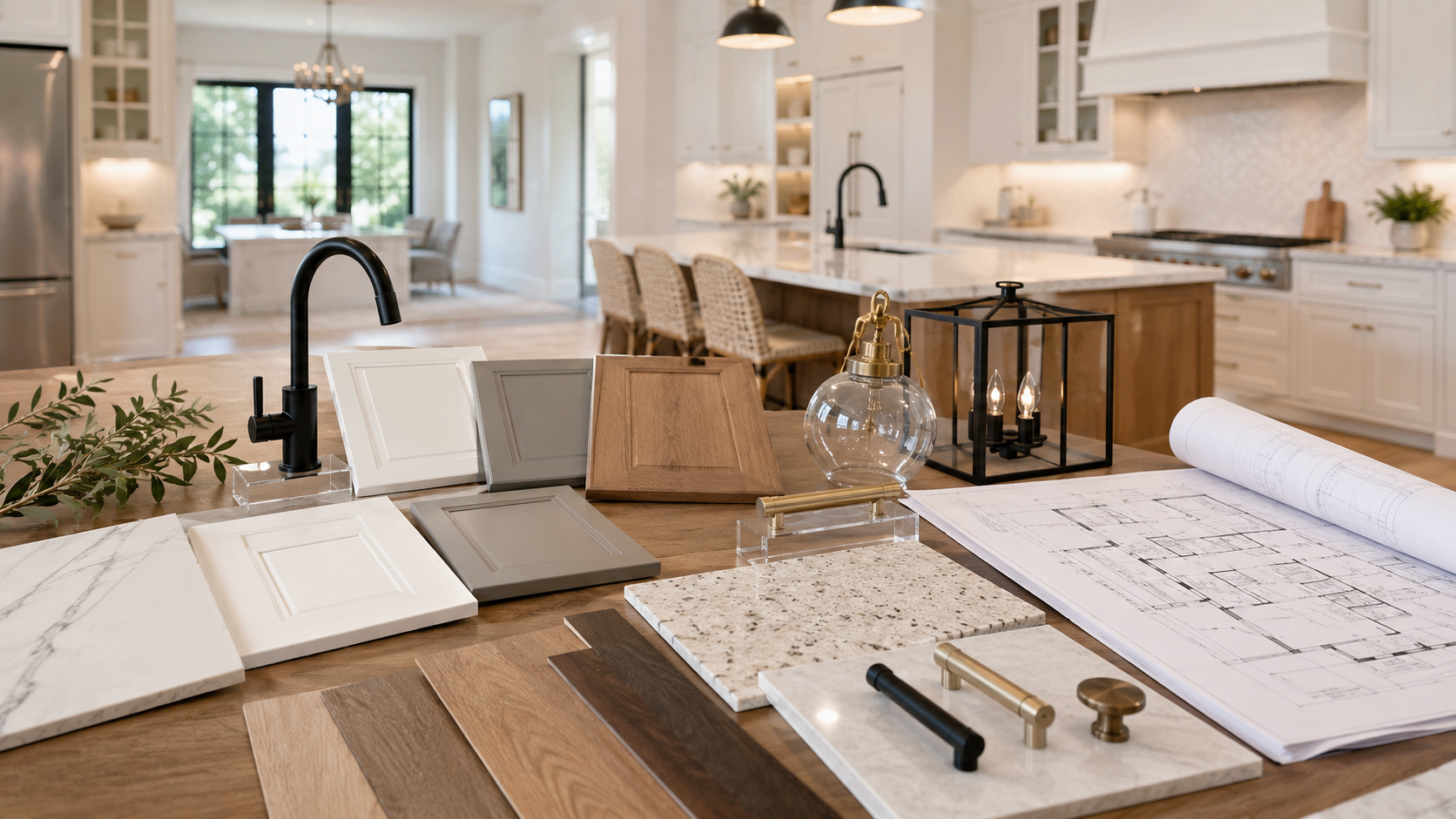
A builder's design center is where you make the finish and option selections for your new home, from flooring and cabinets to fixtures, paint, and layout choices. Depending on the builder, you may make hundreds of decisions across a few appointments, sometimes on a tight timeline once you are under contract. The design center displays samples, packages, and price points, and your selections roll into the total price of the home.
Two things about how design centers work matter for decision-making. First, the pricing is set by the builder and folds into your mortgage, so an upgrade adds to the amount financed rather than a separate out-of-pocket cost. Second, some upgrades genuinely have to be selected now (structural changes, plumbing rough-ins, wiring), while others could be done later at your own pace. Knowing which is which is the whole game, since it changes what belongs on the priority list and what can wait. My New Construction Companion walks through more of how the process works.
Which upgrades tend to hold their value?
The upgrades most likely to return real value share a few traits: they are hard or costly to add later, they affect the home's daily livability, or they are quality materials in classic finishes that age well. A short list of the categories that generally reward the investment:
- Structural options: a bumped-out room, an added window, an extended patio, or a converted flex space are far cheaper to build in now than to renovate later.
- Rough-ins for the future: plumbing, electrical, and wiring rough-ins for a future basement, bath, or kitchenette cost little at build but a lot to add.
- Quality flooring: hardwood or genuine, quality hard-surface flooring on the main level is expensive to swap out and reads as quality.
- Cabinetry upgrades: better cabinet lines, soft-close hardware, taller uppers, and quality construction elevate the whole kitchen.
- Kitchen and primary bath: the rooms that shape daily living and drive resale reward well-chosen surfaces and fixtures.
- Practical add-ons: extra outlets in useful spots, ceiling fan pre-wires, and additional recessed lighting are cheap now and hard to add later.
Notice the throughline: things that are difficult to change, plus classic quality where it shows most.
Which upgrades tend to disappoint?
Just as useful is knowing where design center dollars often disappoint. None of these are automatically wrong, but they warrant a closer look before you commit.
- Highly trend-driven finishes: bold, of-the-moment colors and novelty materials can look dated within a few years.
- Builder-priced items you could do yourself: paint colors, mirrors, standard fixtures, and light installations are often easier and cheaper after closing.
- Backyard and low-voltage extras: some outdoor and audio-visual add-ons are marked up meaningfully compared to hiring a specialist later.
- Overbuilt for the neighborhood: the most premium package in a home is not always recouped if it lifts the price well beyond the community.
- Everything at once: selecting the highest tier across every category burns budget and rarely returns proportionally.
The lesson is not to skip everything on this list, but to be selective and honest about which upgrades you will actually enjoy and which you are paying for out of showroom enthusiasm.
How should you compare structural and cosmetic upgrades?
The clearest way to prioritize is by whether an upgrade is structural or cosmetic. The table summarizes how to think about each.
| Category | Do it now? | Why |
|---|---|---|
| Structural changes | Yes | Very costly to add later |
| Rough-ins for future use | Yes | Cheap now, expensive later |
| Flooring and cabinetry | Yes, selectively | Quality lasts and reads through the home |
| Countertops and tile | Yes for quality; skip trend | Timeless materials hold value |
| Paint and lighting fixtures | Often later | Easy to do after closing |
| Backyard and A/V extras | Compare first | Often cheaper with a specialist later |
When in doubt, the deciding question is: would this cost significantly more, or be more disruptive, to add after move-in? If yes, it belongs on the design center list. If it can be done later for similar money without pulling up floors or opening walls, it can usually wait.
How do you set a design center budget?
Design centers can be exciting, and the total can climb fast when every decision is presented as a small dollar amount. Setting a budget in advance, before the first appointment, is one of the best ways to enjoy the process without regret later. A workable approach:
- Set a total upgrade budget: a firm number, informed by your overall purchase budget and lender guidance, so choices happen inside a real limit.
- Allocate by priority: reserve the largest share for structural, rough-in, flooring, and cabinetry, then split the rest.
- Ask what is included in the base: some builders include quality standard packages; skipping a costly upgrade because the base is already strong is a real option.
- Get pricing before selection day: knowing costs in advance keeps decisions calm rather than reactive.
- Save a contingency: reserve some room for one or two items you fall for in the moment, so the whole budget is not spent on the first appointment.
Financing an upgrade into the mortgage does not make it free; it just spreads the cost over time. Treating design center dollars like any other spending decision keeps the total realistic.
What questions should you ask at the design center?
A few questions asked early can save money and second-guessing later. Come prepared to ask:
- Which options are structural and must be decided now?
- Is this upgrade priced above what an outside contractor would charge post-close?
- What does the base package actually include?
- Are there rough-ins we can add now for a future basement, bath, kitchenette, or EV charging?
- Which selections are on the shortest timeline, and when is the change-order deadline?
- Are there current promotions or included packages for your community?
Bringing your own advisor to the design center appointment, ideally an agent who represents you and knows both the builder and the local resale picture, is one of the most valuable things you can do. I help clients think through these decisions before and during design center appointments, so choices are based on lasting value and daily livability rather than showroom pressure. See my the value of an agent when buying new construction page for more on how representation works throughout the build.
Frequently Asked Questions
What is a design center in new construction?
It is the space where you make the finish and option selections for your new home, from flooring and cabinets to fixtures, paint, and layout choices. Depending on the builder, you make many decisions across a few appointments after going under contract.
Which upgrades tend to hold their value?
Structural options, rough-ins for future use, quality flooring, well-built cabinetry, and kitchen and primary bath upgrades in classic finishes tend to hold value best. They are hard or costly to add later and affect daily livability.
Which upgrades are usually not worth it?
Highly trend-driven finishes, items easy to add later for less (paint, mirrors, standard fixtures), some backyard and audio-visual extras, and overbuilding beyond the neighborhood price ceiling tend to return less on the investment.
Are design center prices always the best deal?
Not always. Some upgrades are competitively priced through the builder, while others are marked up compared to hiring a specialist after closing. Comparing before selection day helps you decide what belongs on the design list.
How do I set a design center budget?
Set a total upgrade budget in advance, allocate the largest share to structural and hard-to-change items, get pricing before selections, and reserve a small contingency. Financing an upgrade into the mortgage still costs real money.
Heading to the design center?
A few good decisions there can shape your home's value and enjoyment for years. I help buyers prioritize upgrades, ask the right questions, and stay within budget through the build. Read my New Construction Companion, explore new construction resources, or reach out to get started.
Marna Friedman is a licensed REALTOR® with Atlanta Communities Real Estate Brokerage serving NW Metro Atlanta. Information is deemed reliable but not guaranteed and is subject to change. Equal Housing Opportunity.
Check out this article next