Introduction: New Construction vs. Resale
One of the biggest decisions you'll make when buying a home is choosing between a brand-new construction home and a resale (existing) home. This choice goes beyond just aesthetics—it affects your timeline, finances, customization options, warranty coverage, and long-term satisfaction with your home.
Both new construction and resale homes have legitimate advantages. The "right" choice depends on your personal priorities, timeline, financial situation, and what matters most to you in a home.
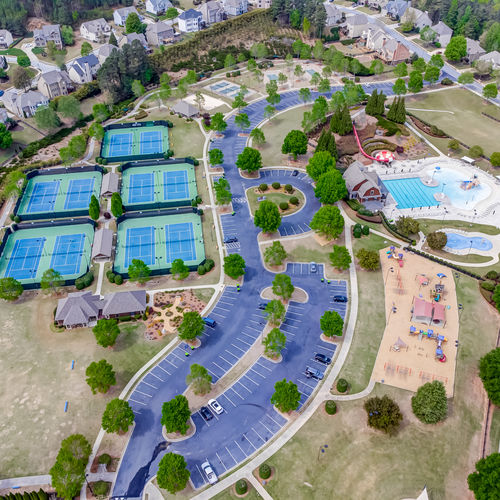
In NW Metro Atlanta, we have abundant options in both categories. New construction is booming in communities like Seven Hills, while established neighborhoods offer mature trees, proven communities, and immediate move-in options. This guide will help you understand the real differences and make an informed decision.
TABLE OF CONTENTS
- Introduction: New Construction vs. Resale
- Quick Comparison Overview
- What Is New Construction?
- What Are Resale Homes?
- Pros and Cons of New Construction
- Pros and Cons of Resale Homes
- Cost Comparison: Total Expenses
- Timeline: How Long to Close Each Type
- Customization Options
- Warranty & Maintenance Differences
- Location & Community Considerations
- Financing & Incentives
- Which Is Right for You?
- FAQ: New Construction vs. Resale
- How I Can Help
Quick Comparison Overview {#comparison-overview}
| Feature | New Construction | Resale |
|---|---|---|
| Customization | Extensive (design phase) | Limited (as-is or minor updates) |
| Timeline to Move-In | 6-12+ months | 30-60 days |
| Warranty Coverage | 1-10 years builder warranty | As-is or home inspection negotiated |
| Maintenance Needed | Minimal initially | Varies (could need immediate work) |
| Location Options | Newer developments, expanding areas | Established neighborhoods, mature communities |
| Builder Incentives | Often substantial (2024-2025) | Limited (seller incentives rare) |
| Inspection Flexibility | Limited (builder controls) | Full inspection rights |
| HOA/Community | Typically included, newer amenities | Established or none |
| Energy Efficiency | Modern standards (lower utility costs) | Varies widely |
| Land Selection | Limited (planned community) | More flexibility |
| Contingencies | Fewer allowed | More negotiation flexibility |
What Is New Construction?
New construction homes are properties that have never been occupied. A builder constructs them from the ground up, either as part of a planned community development or as a custom build on your selected lot.
Types of New Construction Available in NW Metro Atlanta:
Builder Communities (Most Common)
- Multiple homes by same builder (or multiple builders) in planned development
- Planned amenities (clubhouse, fitness center, pools, walking trails, etc.)
- Established HOA and community rules
- Various floor plans available but homes in similar phases
- Examples: Seven Hills, established communities throughout Cobb, Paulding, Cherokee counties
Semi-Custom New Construction
- Builder has core design/structure; you customize specific elements
- More flexibility than production homes but less than fully custom
- Faster construction than full custom (6-9 months typical)
- Growing option in metro Atlanta market
Fully Custom New Construction
- You select lot, architect designs unique home to specifications
- Maximum customization and uniqueness
- Longest timeline (9-15+ months)
- Less common in suburban Atlanta but available
What Are Resale Homes?
Resale homes (also called "existing homes") are properties that have previous owners. They range from newly completed homes that were previously purchased and are being resold, to homes that are 50+ years old.
Types of Resale Homes in NW Metro Atlanta:
Near-New Resale Homes (1-5 years old)
- Previously owned but still relatively new
- Warranty may still be active from original builder
- More affordable than new construction
- Existing community established
- May have some owner customizations (upgrades, decor)
Recently Updated Resale Homes (5-15 years old)
- Homeowner has updated major systems (roof, HVAC, kitchen, etc.)
- Good condition but some normal wear
- Well-established neighborhoods and communities
- Strong track record of property performance
- Owner customizations visible
Established Resale Homes (15+ years old)
- Long-standing, mature neighborhoods
- Possible deferred maintenance (depends on owner care)
- May need updates to systems or cosmetics
- Often excellent locations with proven communities
- Potential for significant renovation/improvement
Fixer-Uppers/Investment Homes
- Require work to be livable (cosmetic to structural)
- Often purchased below market value
- Renovation needed before move-in
- Investor properties sometimes available
- Requires DIY skills or contractor budget
Pros and Cons of New Construction
Advantages of Buying New Construction
✓ Everything Is Brand New New construction means all systems, appliances, flooring, and components are in excellent condition. Nothing is worn out, and you don't inherit previous owners' wear and tear. This is peace of mind for buyers who want to avoid surprises.
✓ Modern Design and Features New homes are built to current architectural standards. Open floor plans, larger walk-in closets, upgraded kitchens with center islands, spa-like bathrooms, and smart home technology come standard in many new construction homes. If 1950s kitchen layouts concern you, new construction solves that problem.
✓ Energy Efficiency = Lower Utilities New construction homes meet current energy codes, featuring better insulation, modern HVAC systems, Energy Star-rated windows, and efficient appliances. Your monthly utility costs will be notably lower compared to a 1970s home. Over 10 years, this savings adds up significantly.
✓ Builder Warranty Coverage New construction homes come with builder warranties (typically 1-year builder defect warranty, plus 2-10 year structural warranties depending on builder). This protects you against defects for the first few years of ownership. Resale homes typically come as-is.
✓ Customization Options (During Build) If you buy during the design phase, you can customize options: paint colors, flooring, cabinet finishes, countertop materials, lighting fixtures, and more. This personal touch is impossible to replicate in resale purchases.
✓ Builder Incentives & Financing In spring 2024-2025, builders are offering substantial incentives: rate buydowns (reducing your interest rate 1-2%), closing cost assistance, free upgrades, and appliance packages. These reduce your total cost substantially. Rare in resale market.
✓ No Hidden Surprises (Usually) You know exactly what you're getting. Inspections are more limited (builder controls them), but there are fewer hidden surprises like foundation issues, old electrical systems, or outdated plumbing that plague older homes.
✓ Modern Building Codes & Safety New construction meets current building codes for electrical safety, structural integrity, and fire safety. Homes built 40+ years ago may not meet today's standards.
✓ HOA & Amenities Included New construction in planned communities includes HOA, common area amenities (pools, fitness centers, trails, gathering spaces), and community events. If you want an active community, this is attractive.
✓ Turnkey Move-In (Eventually) Once closed, your home is ready to move into without repairs. No surprises the week before moving—everything works.
Disadvantages of Buying New Construction
✗ Long Timeline to Move-In New construction requires 6-12+ months from purchase to closing, depending on build timeline. If you need to move quickly, this is a significant drawback. You're also in a rental or temporary situation longer.
✗ Limited Customization Options (Later In Build) If you buy in the later phases of a community, customization options are limited. Choose early or lose the ability to customize.
✗ Builder Controls Inspection Process Builders control the inspection timeline and process, sometimes limiting your ability to hire independent inspectors. You have fewer contingencies for serious problems discovered during inspection.
✗ Market Risk if Delays Occur If construction is delayed, interest rates could change before closing, affecting your monthly payment. You've made an offer based on one rate but may close at a different rate.
✗ Not Truly Move-In Ready Despite new construction, closing doesn't mean immediate move-in. There may be final inspections, landscaping completion, amenity center finishing, or punch-list items still being completed. You might close but not move in immediately.
✗ Limited Location Flexibility New construction developments are where the builder is building. You're limited to those specific areas and communities. If you love a specific established neighborhood, new construction might not be available there.
✗ Builder-Specific Issues Builders vary widely in quality, customer service, and warranty support. A poor-quality builder can affect your home's value and your satisfaction. Research is essential.
✗ HOA Fees Starting Immediately HOA fees begin immediately upon closing and often increase during buildout phase as more amenities are completed. Budget for these ongoing costs.
✗ Feeling of Overpaying Some buyers feel they overpay for new construction, particularly when comparing to nearby resale homes that appear similar. This perception (whether accurate or not) affects buyer satisfaction.
✗ Less Negotiation Flexibility Builders are less flexible on price negotiation. Incentives yes, but walking down the price substantially is difficult. With resale, you have more negotiation leverage.
Pros and Cons of Resale Homes
Advantages of Buying Resale Homes
✓ Immediate or Quick Move-In Resale homes can close in 30-60 days, sometimes faster. If you need to relocate quickly for a job or life change, resale is your answer. You're in your home within weeks, not months.
✓ Established Neighborhoods Resale homes are in proven communities with mature landscaping, established reputations, and established homeowner populations. You know what you're getting in terms of community character.
✓ More Negotiation Flexibility Resale home sellers are often more flexible on price, contingencies, and terms. You have more leverage to negotiate repairs, closing costs, or terms. Sellers motivated to sell create opportunity.
✓ Larger Lot Sizes (Often) Established neighborhoods often have larger lots than new construction developments. If you want privacy and land, resale homes in older neighborhoods often deliver this.
✓ Mature Trees & Landscaping There's nothing quite like an established yard with mature trees. New construction takes 10+ years to achieve the landscaping value that 20+ year old homes have. If outdoor aesthetics matter, resale wins.
✓ Lower Price (Often) Established homes (particularly those needing cosmetic updates) may offer better value than new construction, especially when comparing square footage. This is location and condition dependent but common.
✓ More Location Options Every established neighborhood is a potential purchase. More neighborhoods = more flexibility in finding your ideal location and community feel.
✓ Independent Inspection Rights You hire your own inspector(s) and have full rights to investigate the property thoroughly. This gives you more information and protection before committing.
✓ Proven Track Record You can research the home's history: previous sales, inspection reports, any claims. You know what issues this house has had and how they were resolved.
✓ Financed by Traditional Lenders (Easily) All existing homes are easily financed. No construction loan complications or phase delays affecting your closing.
✓ Less Market Timing Risk You're closing on a completed home. No concern about construction delays, material costs, or interest rate fluctuations during build process.
✓ Character & Uniqueness Older homes often have character: original hardwood floors, detailed crown molding, architectural details, built-in bookshelves. You can't recreate this in new construction.
Disadvantages of Buying Resale Homes
✗ Systems May Be Aging Roof, HVAC, water heater, electrical, plumbing may all be approaching or past their useful life. A 25-year-old roof, 15-year-old HVAC, or aging electrical system means replacement costs in your future. Inspection reveals these issues, but then you're negotiating repairs or price reductions.
✗ Cosmetic Updates Usually Needed Older homes often need cosmetic updating: paint, flooring, cabinet finishes, countertops, lighting. Cosmetic updates aren't urgent but affect your enjoyment and initial move-in satisfaction.
✗ Inefficient Layout (Possibly) Older homes may have closed-off rooms, smaller kitchens, separate living/dining rooms (rather than open concept), and fewer bathrooms. If modern layout matters, older homes are frustrating.
✗ Higher Utility Costs Older homes with single-pane windows, poor insulation, and outdated HVAC systems cost more to heat and cool. This is an ongoing expense that accumulates over years.
✗ Home Inspection Issues Even homes in good condition reveal inspection findings: water stains, cracks, potential foundation concerns, old wiring, outdated plumbing. Managing these findings complicates the buying process.
✗ As-Is Purchases Common Many sellers sell homes "as-is," meaning you accept all defects discovered in inspection. This limits your ability to negotiate repairs.
✗ No Manufacturer Warranty Resale homes come with no warranty coverage. Any appliances or systems that fail are your responsibility immediately.
✗ Unknown Ownership History You don't always know how well previous owners maintained the home. Good homes reflect good maintenance; poor homes may have hidden issues from neglect.
✗ Foundation/Structural Concerns Possible Older homes have longer time for foundation settling, structural issues, or water intrusion to develop. These can be expensive to remedy.
✗ Limited or No Customization What you see is what you get. If paint color, flooring, or cabinet finish aren't to your taste, you're redoing it yourself after purchase (additional expense).
✗ Outdated Features Vintage bathrooms, small closets, limited electrical outlets, poor lighting, and dated kitchen layouts are common in older homes. Updating these requires investment.
✗ Deferred Maintenance Risk Some homes have been neglected. Previous owners didn't update things that needed updating. This creates an immediate to-do list and expense.
Cost Comparison: Total Expenses
Understanding Total Cost of Ownership
When comparing new construction vs. resale, don't just look at purchase price. Total cost includes acquisition expenses, immediate repairs/updates, ongoing maintenance, utilities, and depreciation factors.
New Construction Home Expenses
Acquisition Costs:
- Earnest money deposit (typically 1% of purchase price)
- Inspection fee (if allowed; builder may not require independent inspection)
- Appraisal fee (builder may cover)
- Title insurance (builder may cover)
- Closing costs (often covered or reduced by builder incentives)
Pre-Move-In Investments:
- Landscaping (minimal; builder does basic landscaping)
- Window treatments (curtains/blinds if not included)
- Furniture (if not previously purchased)
- Minimal or zero repairs (new construction warranty covers defects)
Immediate Operating Costs:
- HOA fees (beginning at closing and typically increasing during build-out)
- Property taxes (pro-rated portion first year; adjust as home value assessed)
- Homeowners insurance (new home, lower risk = competitive rates)
- Utilities (modern efficiency = lower than older homes)
- Maintenance (minimal; builders' warranties cover major issues)
5-10 Year Outlook:
- Still minimal maintenance and repairs (under warranty most of the decade)
- HOA fees increase annually (typically 3-5%)
- Property taxes stable or modest increases
- Utilities remain efficient
- Major systems not yet due for replacement
Resale Home Expenses
Acquisition Costs:
- Earnest money deposit (typically 1-3% of purchase price, protected)
- Home inspection fee ($300-$500 typical)
- Appraisal fee ($400-$600 typical)
- Title search and insurance
- Closing costs (typically 2-5% of purchase price)
Pre-Move-In Investments (varies significantly):
- Repairs identified in inspection (can be substantial or minimal)
- Cosmetic updates if moving into outdated home (paint, flooring, etc.)
- Appliances if replaced needed
- HVAC replacement if nearing end of life
- Roof if aging
- Potential foundation or water intrusion fixes
Immediate Operating Costs:
- Property taxes (established rate; may be lower than new construction initially)
- Homeowners insurance (varies; older homes may have higher rates)
- Utilities (older homes typically higher; depends on systems)
- HOA fees (if in planned community; typically lower than new construction)
- Maintenance and repairs (immediate needs depending on home condition)
5-10 Year Outlook:
- Major systems approaching end of life (roof, HVAC, water heater, plumbing updates)
- Ongoing repairs (foundation settling, roof leaks, HVAC failures)
- Higher utility costs accumulating
- Possible significant expenses (foundation repair, water damage, electrical upgrades)
The Real Cost Difference
The Critical Variables: The cost comparison between new construction and resale depends entirely on:
- Condition of the resale home
- Which systems are nearing end of life
- Builder's warranty coverage
- Builder incentives available
- HOA fee structures
- Your tolerance for ongoing maintenance
Example Scenarios:
Scenario A: Well-Maintained Resale Home
- Lower purchase price than new construction
- Minimal immediate repairs needed
- Systems still have 5+ years of life
- Lower ongoing costs = lower total cost of ownership
- Smart choice if finding well-maintained resale
Scenario B: Resale Home Needing Updates
- Lower purchase price initially
- Significant immediate repairs/updates needed ($15,000-$50,000+)
- Systems approaching end of life = upcoming replacement costs
- Higher ongoing maintenance = higher total cost of ownership
- May exceed new construction total cost over 5-10 years
Scenario C: New Construction with Builder Incentives
- Higher purchase price
- Substantial builder incentives reduce cost (rate buydowns, closing costs, upgrades)
- Warranty coverage eliminates major system costs for years
- Lower utility costs save money over time
- Lower maintenance = lower ongoing costs
- Strong total cost of ownership value
Scenario D: New Construction Without Incentives
- High purchase price
- Minimal incentives
- Warranty protection but still more expensive
- May not offer as good value as well-maintained resale
- Better for buyers valuing certainty and new systems
<h2 "timeline">Timeline: How Long to Close Each Type
New Construction Closing Timeline
From Initial Interest to Moving In: 6-15 months typical
Phase 1: Design & Customization (0-2 months)
- Meet with builder's design consultant
- Select options (colors, finishes, appliances, etc.)
- Make decisions and customize your home
- Sign purchase agreement
- Earnest money deposit submitted
Phase 2: Construction (4-10 months depending on home complexity)
- Home moves through construction phases
- Builder updates homeowners on progress
- Inspections occur (framing, electrical, plumbing, final)
- Limited homeowner access during construction
- You're typically locked in on price even if costs rise
Phase 3: Final Inspections & Closing (1-2 months)
- Final walkthrough (48 hours before closing typical)
- Punch-list items completed
- Title work and appraisal completed
- Final inspection by builder
- Closing appointment and signing
- Move-in date (typically immediately after closing)
Total Time from Interest to Move-In: 6-12 months average, sometimes longer
Advantages of New Construction Timeline:
- You know your exact move-in timeframe (somewhat)
- Long lead time allows selling existing home, organizing moves
- Can plan life changes around known date
Disadvantages of New Construction Timeline:
- Delays common (material shortages, weather, inspections)
- Can't move in until complete (no early possession typically)
- Long wait if you need to move quickly
- Rate lock expires; you might have to renegotiate
- Renting during construction gets expensive
Resale Closing Timeline
From Offer to Moving In: 30-60 days typical
Phase 1: Offer & Acceptance (1-5 days)
- Make offer on property
- Negotiate terms with seller
- Offer accepted (or continue negotiating)
- Earnest money deposit submitted (typically 1-3%)
Phase 2: Inspection & Appraisal (1-2 weeks)
- Home inspection scheduled and completed (3-4 hours)
- Review inspection report
- Request repairs or price reductions (if needed)
- Negotiate inspection-related items
- Appraisal scheduled by lender
Phase 3: Financing & Clear to Close (2-3 weeks)
- Lender processes loan application
- Underwriting occurs (lender reviews financials and property)
- Clear to close issued (all conditions satisfied)
- Final walkthrough (24-48 hours before closing)
- Title work completed
Phase 4: Closing (1-3 days)
- Final appointment for signing
- Review closing documents
- Sign and fund
- Receive keys and move in
Total Time from Offer to Move-In: 30-60 days average, sometimes faster
Advantages of Resale Timeline:
- Quick move-in if you need it
- Less waiting, more certainty (home already completed)
- Faster if you need to relocate quickly
- Know immediately what you're getting
Disadvantages of Resale Timeline:
- Tight timeline if selling existing home simultaneously
- Inspection might reveal need to renegotiate
- Contingencies create delays if issues arise
- Less time to prepare (furniture, utilities transfer, etc.)
Comparison Summary
| Aspect | New Construction | Resale |
|---|---|---|
| Total Timeline | 6-12+ months | 30-60 days |
| Certainty of Timing | Moderate (delays possible) | High (completed) |
| Customization Time | 1-2 months | None |
| Inspection Time | Limited (builder controls) | 1-2 weeks typical |
| Contingency Time | Less (builder less flexible) | More (seller negotiates) |
| Financing Time | Standard (builder may accelerate) | Standard |
| Move-In Readiness | Brand new, immediate | Ready immediately |
Customization Options
New Construction Customization: Maximum Flexibility
What You Can Customize:
Structural & Layout (Design Phase Only):
- Some builders allow structural changes early (moving walls, adding rooms)
- Floor plan selection (choose among builder's available designs)
- Limited modifications to layouts (usually not allowed mid-construction)
- Certain builders offer semi-custom or full custom (more flexibility)
Interior Finishes (Major Selection):
- Paint colors and finishes (walls, trim, ceilings)
- Flooring materials (tile, wood, carpet, vinyl, concrete)
- Cabinet styles, colors, finishes, hardware
- Countertop materials (granite, quartz, laminate, etc.)
- Backsplash tile and design
- Cabinet hardware and fixtures
- Lighting fixtures throughout home
- Door styles, colors, hardware
Appliances & Fixtures:
- Appliance package upgrades (stainless, built-in options, brand selection)
- Bathroom fixtures and finishes
- Faucet styles and finishes
- Plumbing fixture upgrades
- HVAC system selections (if options available)
Additions & Upgrades (May Incur Fees):
- Upgraded insulation
- Additional electrical outlets
- Smart home technology
- Fireplace additions
- Deck or patio upgrades
- Lot preparation (grading, driveway, etc.)
- Landscaping enhancements
Timeline Constraints:
- Design selections must be made early (typically within 30-60 days of purchase)
- Changes later in construction become difficult and expensive
- Builders lock in designs at certain construction milestones
- Last-minute changes rarely accepted
Resale Customization: Limited to Zero
What You Can Customize:
Pre-Purchase (During Negotiation):
- Negotiate repairs (buyer pays for cosmetic updates during closing)
- Negotiate seller concessions for cosmetic fixes (they pay for updates)
- Sometimes negotiate minor updates before closing
Post-Purchase (After Closing):
- Paint (cosmetic)
- Flooring (carpet, wood, tile upgrades)
- Cabinet refinishing or replacement
- Countertop replacements
- Light fixture upgrades
- Fixture replacements (faucets, hardware, etc.)
- Appliance replacements (if needed)
What You Cannot Customize:
- Home's fundamental layout (unless doing major renovation)
- Structural elements (load-bearing walls, roof pitch, etc.)
- System capacity (electrical panel, plumbing, HVAC sizing)
- These would require architect, contractor, permits, and substantial expense
Renovation Opportunity: Some buyers purchase resale homes specifically to renovate. If the home needs work or has a great layout, you can completely customize through renovation (at your expense, after purchase).
Customization Satisfaction
New Construction Advantage: You get exactly what you want (if you're involved in design phase)
Resale Reality: You accept the home as-is, or you do expensive renovations later
The Personalization Factor:
- New construction buyers report high satisfaction with customization process
- Resale buyers either accept the home's style or commit to renovation project
- Both can result in homes you love; the paths are different
<h2 "warranty">Warranty & Maintenance Differences
New Construction Warranties: Comprehensive Protection
Builder Warranty Coverage (Typical Structure):
1-Year Builder Defect Warranty (Standard)
- Covers defects in construction and workmanship
- Covers defective appliances and fixtures
- Covers issues with building materials
- Builder repairs at no cost to homeowner
- Covers non-cosmetic defects only (cosmetic wear is normal)
- Builder determines if issue qualifies as defect
2-10 Year Structural Warranty (Varies by Builder)
- Coverage for major structural defects
- Varies by builder (some offer 10 years, some 2 years)
- Covers foundation, framing, roofing
- Specific exclusions apply
- May require annual inspections to maintain coverage
Appliance Manufacturer Warranties:
- New appliances included with builder warranties
- Typically 1-year manufacturer warranty on appliances
- Extended warranties available (buyer pays)
What Warranty Does NOT Cover:
- Cosmetic wear (paint chips, minor scratches, normal settling cracks)
- Damage from buyer misuse
- Normal maintenance items (HVAC filter changes, gutter cleaning)
- Exterior finishes (siding, roofing in normal wear conditions)
- Items not installed by builder (buyer additions)
Warranty Advantage: Significant peace of mind; builder covers major defects for years
Resale Home Warranty: Buyer Protects Self
Home Inspection: Your Primary Protection
- Independent inspector examines all accessible systems
- Reports on condition: good, fair, poor, needs replacement
- Identifies items needing attention
- Gives you knowledge to negotiate repairs or price reduction
- Does not guarantee against future failures
Home Warranty Programs (Optional Purchase)
- You purchase optional home warranty (not included)
- Covers major systems (HVAC, plumbing, electrical, appliances)
- Covers failures after closing
- Has deductibles and claim limits
- Not all systems covered; read carefully
- Transferable to future buyer (good selling point)
As-Is Purchase Reality:
- Many resale homes sold "as-is" with no repairs expected
- Buyer accepts all defects discovered in inspection
- Once you close, repairs are your responsibility
- Previous owner has no obligation to fix issues
Your Maintenance Responsibility:
- You own all maintenance costs immediately
- Aging systems may fail shortly after purchase
- Budget for major system replacement (roof, HVAC, water heater)
- Deferred maintenance becomes your problem
Advantage of Resale: You choose how to handle issues; less reliance on builder's repair timelines
Long-Term Maintenance Outlook
New Construction: First 5-10 Years
- Minimal maintenance (warranty covers defects)
- Builder maintains community amenities
- Systems brand new and reliable
- Operating costs low (efficient systems, lower utilities)
- After warranty expires, maintenance becomes your responsibility
Resale: Immediate Outlook
- Maintenance depends on home's condition and age
- Some systems may fail shortly after purchase
- Budget for replacements (roof, HVAC, plumbing, electrical)
- Operating costs potentially higher (older, less efficient systems)
- Good maintenance history makes difference
Warranty Comparison Summary
| Aspect | New Construction | Resale |
|---|---|---|
| Builder Warranty | 1-10 years | None |
| Appliance Warranty | Included | Previous owner's (if transferred) |
| Home Inspection | Limited (builder controls) | Full independent inspection |
| Defect Coverage | Builder responsible | Your responsibility |
| System Failures (Early) | Builder covers | Your expense (unless warranty purchased) |
| Long-term Maintenance | You handle after warranty | You handle immediately |
Location & Community Considerations
New Construction Locations
Typical New Construction Locations:
- Newer suburban developments (newer subdivisions, expanding areas)
- Planned communities with amenities and HOA
- Areas with recent infrastructure investment
- Locations where builders are actively developing
Advantages:
- Brand-new neighborhoods with modern planning
- Planned amenities (pools, fitness centers, parks, gathering spaces)
- HOA ensures community standards
- Growing areas with infrastructure improvements
- New schools, shopping, entertainment nearby
Disadvantages:
- Limited neighborhood history (don't know community feel long-term)
- Fewer mature trees and landscaping
- HOA presence (rules, fees, restrictions)
- New infrastructure may not be fully complete
- Community character still developing
New Construction Communities in NW Metro Atlanta: Seven Hills (Paulding County) is a prime example—newer planned community with builder-controlled homes, established amenities, and growing infrastructure. Similar developments throughout Cobb, Cherokee, and Paulding counties.
Resale Locations
Typical Resale Locations:
- Established neighborhoods (20+ years old, some much older)
- Mature communities with proven track records
- Diverse neighborhood types (small lots to large estates)
- Some with mature HOAs, many without
Advantages:
- Proven neighborhoods with established character
- Mature landscaping and trees
- Known community reputation
- Lower HOA fees (if any)
- Diverse neighborhood options
- Close to established schools with reputations
Disadvantages:
- May lack modern amenities that new construction offers
- HOA may be older and have concerns about governance
- Infrastructure may be aging
- Neighborhood character may be changing
Established Communities in NW Metro Atlanta: Marietta, Kennesaw, and established areas throughout Cobb County offer mature neighborhoods with long histories. Varied community types from small-lot neighborhoods to acreage properties.
Which Location Type Is Right for You?
Choose New Construction if You:
- Prefer newer infrastructure and amenities
- Want active community involvement and HOA oversight
- Like the safety/uniformity of planned communities
- Willing to pay for newer community features
Choose Resale if You:
- Prefer established neighborhoods with proven character
- Want more autonomy (no or established HOA)
- Value mature landscaping and tree coverage
- Prefer diverse neighborhood options
- Willing to trade newer amenities for neighborhood maturity
Financing & Incentives
New Construction Financing
Standard Financing:
- Construction-to-permanent loan (finances home during construction, converts to permanent at closing)
- Permanent loan (builder financing during construction, your loan at closing)
- Most lenders offer both options
Builder Incentives (Spring 2024-2025 Strong):
- Rate buydowns (builder pays to reduce your interest rate 0.5-2%)
- Closing cost assistance (builder pays closing costs, reducing your upfront expense)
- Upgraded packages (builder provides upgrades at no cost)
- Appliance packages (upgraded appliances included)
- Free community amenities (golf memberships, HOA years, etc.)
Construction Loan Specifics:
- Interest-only payments during construction (on undisbursed balance)
- Builder requests loan advances as construction progresses
- You don't live in home during construction
- Loan converts to permanent mortgage at closing
Rate Lock Considerations:
- You lock in rate during design phase
- If construction delays occur, rate lock may expire
- You may need to renegotiate rate (at lender's option)
- Rate could be higher if market changes
- Some builders cover rate extensions
Resale Financing
Standard Financing:
- Conventional loan (most common, requires credit, income, down payment)
- FHA loan (government-insured, lower down payment requirements)
- VA loan (for military/veterans, no down payment)
- Other programs (portfolio lenders, portfolio products)
Seller Incentives (Rare in Current Market):
- Closing cost assistance (seller pays your closing costs)
- Repair credit (seller credits you for repairs identified in inspection)
- Pre-closing occupancy (if needed, short-term)
Appraisal Considerations:
- Lender appraises completed home (not under construction)
- Appraisal is definitive (home already exists, can be fully valued)
- No concern about completion or value changes during construction
Rate Lock:
- You lock rate when applying for loan
- No concern about construction delays affecting rate
- Rate locked for 30-45 days typical
- Standard refinance available later if rates drop
Comparing Financing
New Construction Advantages:
- Builder incentives can reduce effective cost substantially
- Builder often works with specific lenders (easier process)
- Construction loan converts smoothly to permanent
New Construction Disadvantages:
- Construction delays can affect rate lock expiration
- Only certain lenders approved for construction financing
- Interest-only payments during construction (budgeting consideration)
Resale Advantages:
- Standard, simple financing (all lenders available)
- Appraisal definitive (home already complete)
- No concern about construction delays
- Easy rate lock and refinance later
Resale Disadvantages:
- No builder incentives (rare)
- Seller concessions limited
- May need repairs paid from proceeds (reducing net proceeds)
Which Is Right for You?
There is no universal "best" choice between new construction and resale. The right choice depends on your personal priorities, timeline, financial situation, and what matters most to you.
Choose New Construction If:
✓ You Value Certainty & Newness Everything is brand new, under warranty, and in perfect condition. No surprises with systems failing. This peace of mind is worth the premium to you.
✓ You Want Specific Customization You have a vision for your home and want to customize colors, finishes, and features. Resale homes' limitations frustrate you.
✓ You Prefer Active Communities with Amenities You want planned communities with common amenities, HOA structure, and active community involvement. Established neighborhoods feel too settled.
✓ Energy Efficiency Matters to You Lower utility costs are important. New construction's modern efficiency appeals to you. You'll recoup efficiency savings over time.
✓ You Have Time to Wait Your timeline allows 6-12 months. You're not under pressure to move immediately. This timeline works for your life circumstances.
✓ You Want Builder Incentives You're willing to accept the trade-offs of new construction to benefit from strong builder incentives available (rate buydowns, closing cost assistance, upgrades).
✓ You're a First-Time Buyer Everything new and under warranty appeals to you. No concerns about inherited problems. Clean slate is attractive.
✓ You Want Minimal Maintenance You prefer not dealing with repairs. Warranty coverage and new systems appeal to you. Maintenance budget concerns you less.
Choose Resale If:
✓ You Need to Move Quickly Your job relocation, life change, or personal circumstances require moving within 30-60 days. Resale allows this; new construction doesn't.
✓ You Love Established Neighborhoods You've identified a specific neighborhood you love. That's where you want to live. Resale offers this flexibility; new construction is limited to developments.
✓ You Value Mature Landscaping You love established properties with big trees, mature yards, and neighborhood character. New construction communities feel sterile to you.
✓ You Want Lower Transaction Costs You're cost-conscious. Resale homes (particularly well-maintained ones) offer better value than new construction. Lower overall cost matters to you.
✓ You're Handy or Want to Renovate You enjoy projects and customization. You're willing to handle cosmetic updates or light renovations post-purchase. This appeals to you more than new construction constraints.
✓ You Want Less HOA Involvement You prefer autonomy and dislike HOA restrictions. Many resale homes have minimal or no HOA. This appeals to you.
✓ You've Identified a Specific Home You've found a home that feels right. The location, layout, character resonate with you. This specific home matters more than general advantages of new construction.
✓ You Have Equity to Leverage You're selling a previous home and have equity. That equity plus new financing gives you flexibility. You're not budget-constrained.
Decision Matrix: Quick Assessment
Rate Each Statement 1 (Disagree) to 5 (Agree):
- I must move within 30-60 days. ___
- I want to customize my home's finishes. ___
- I prefer established neighborhoods with history. ___
- Utility costs are important budget items. ___
- I'd rather have warranty coverage than negotiate repairs. ___
- I can wait 6-12 months for my home. ___
- Mature trees and landscaping matter to me. ___
- I want active community involvement. ___
- I'm attracted to builder incentives. ___
- I need a specific neighborhood/location. ___
Scoring:
- Questions 1, 3, 7, 10: Resale-favorable
- Questions 2, 5, 6, 9: New construction-favorable
- Questions 4, 8: Neutral (present in both)
If resale questions score higher: Resale likely right for you If new construction questions score higher: New construction likely right for you If roughly equal: Either could work; consider which specific factors matter most
FAQ: New Construction vs. Resale
Q: Is new construction always more expensive than resale?
A: Not necessarily. While new construction has a higher purchase price, builder incentives (rate buydowns, closing cost assistance, free upgrades) often reduce effective cost. Plus, resale homes needing immediate repairs/replacements can equal or exceed new construction's total cost. Compare total cost of ownership, not just purchase price.
Q: Can I negotiate on new construction homes?
A: Limited negotiation on price; extensive negotiation on incentives. Builders rarely reduce price significantly. Instead, they offer incentives: rate buydowns, closing costs, upgraded finishes, appliances, or community amenities. It's a different negotiation approach than resale.
Q: What if new construction is delayed?
A: Delays are common. Material shortages, weather, inspections can extend timelines by weeks or months. Your rate lock may expire; you may renegotiate (hopefully builder covers extension). You're in temporary housing longer. Some builders offer rate lock extensions as part of incentive packages.
Q: Are home inspections different for new construction vs. resale?
A: Very different. Resale inspections are thorough and independent; you hire inspector and control process. New construction inspections are often limited; builder controls timing and scope. This is a trade-off: new home means fewer hidden defects, but less inspection control.
Q: Should I buy new construction if I plan to sell in 5 years?
A: Both can work. New construction: warranty protection during ownership, newer systems more likely to attract buyers. Resale: no immediate repairs needed, less concern about depreciation. Compare values and markets; both strategies work in different markets.
Q: What's the best time to buy new construction vs. resale?
A: New construction: Spring brings inventory and builder activity. Resale: Spring also brings inventory, but resale markets less seasonal. Both year-round options; spring offers maximum selection.
Q: How important is the builder's reputation?
A: Very important. Builders vary in quality, customer service, and warranty support. Research: reviews, previous buyer feedback, builder history. Reputation directly affects your home's quality and satisfaction.
Q: Can I get a better deal buying new construction directly from builder vs. through real estate agent?
A: Builder listings are on MLS; agents can represent you. Builder controls terms regardless. Using an agent costs you nothing (builder pays agent commission). Benefit: agent negotiates best incentives on your behalf.
Q: What if I need to sell new construction quickly?
A: Possible but challenging. New construction may not have comparable sales (development just opened). Pricing and value harder to establish. Appreciate appreciation period before selling. Resale, market is established, easier to determine value and sell.
Q: Is energy efficiency worth the new construction premium?
A: Over 10+ years, yes. Modern systems use 25-40% less energy than older homes. On a home with $150/month utility costs, older home might be $200-250/month. That $50-100/month savings = $600-1,200 annually, $6,000-12,000 over 10 years. For some, this justifies new construction premium.
Q: Should I buy new construction as an investment property?
A: Challenging. New construction appreciates slower initially (homes already have market value, not appreciation runway). Resale properties in improving neighborhoods offer better investment appreciation. Consider investment goals carefully.
Q: What happens if I don't like the new construction home after I move in?
A: Your recourse is limited. Once closed and in the warranty period, builder covers defects. Cosmetic preferences are yours to handle (paint, flooring, etc.). Resale would be done within first few years. Choose new construction carefully because backing out is difficult.
Q: Can I build a custom home if I own land?
A: Yes. Custom home building is option if you have land and budget. Longest timeline (12-18 months), most customization (maximum), highest cost potential. Builders handle this differently than production homes; discuss custom options.
How I Can Help
Navigating the New Construction vs. Resale Decision
This is one of the biggest decisions in the home buying process, and there's no one-size-fits-all answer. Your specific circumstances, timeline, budget, and preferences matter. I help clients evaluate both options and make decisions aligned with their goals.
What I Specialize In
New Construction Expertise:
- I guide buyers through builder negotiations, ensuring you understand incentives and terms
- I help you navigate customization decisions during design phase
- I protect your interests throughout construction timeline
- I'm certified as a New Home Sales Expert—I know builder contracts, processes, and protections
- I help you evaluate different communities and builders in NW Metro Atlanta
Resale Expertise:
- I provide market analysis showing neighborhood trends and values
- I help you understand inspection findings and negotiate repairs
- I guide you through the entire resale buying process
- I connect you with reputable home inspectors and contractors
- I help you identify properties with the right combination of condition, price, and location
Comparison Analysis:
- I'll compare new construction and resale options for your specific situation
- I'll provide financial analysis: total cost of ownership comparison
- I'll help you understand timeline implications of each choice
- I'll discuss customization, warranty, and maintenance trade-offs
- I'll help you make the decision that's right for YOUR goals, not what's "best" universally
Get Your Personalized Consultation
Every buyer's situation is unique. What works for one is wrong for another. Rather than generic advice, I offer personalized guidance specific to your circumstances.
[SCHEDULE YOUR CONSULTATION]
In our consultation, we'll discuss:
- Your timeline and when you need to move
- Your budget and financial situation
- Your lifestyle preferences and priorities
- Your long-term plans (how long will you own this home?)
- Specific neighborhoods or communities you're interested in
- Your comfort with maintenance and repairs vs. warranty protection
Based on our discussion, I'll provide honest guidance about whether new construction or resale is right for you, and how to proceed if you choose one path.
Next Steps
- Schedule a consultation (free, no obligation) to discuss your specific situation
- Share your priorities and timeline so I can offer tailored guidance
- Explore options together whether new construction or resale
- Make an informed decision based on facts, not generalizations
- Move forward with confidence knowing you've made the right choice for your situation
Call or text me: 678-920-3099
Email: [contact form]
Schedule a consultation: [booking link]
I'm here to help you navigate this important decision and find the right home for you.
About Marna Friedman
I'm a top-producing realtor specializing in both new construction homes and 55+ active adult communities throughout NW Metro Atlanta. With certifications in luxury home marketing, new home sales expertise, and senior real estate transitions, I work with buyers across all market segments.
I help buyers understand their options, compare realistic trade-offs, and make decisions aligned with their goals. Whether you're interested in new construction in Seven Hills or resale homes in established Marietta neighborhoods, I'm here to guide you through the process with expertise and genuine personal attention.
Related Resources
- [Complete Guide to Buying New Construction Homes in NW Metro Atlanta]
- [New Construction Homes in Seven Hills: What to Expect]
- [Home Staging Tips from a Professional: Sell Your NW Metro Atlanta Home Faster]
- [How to Downsize: Step-by-Step Guide for Empty Nesters & Retirees]
- [First-Time Home Buyer's Guide to NW Metro Atlanta Real Estate]
Check out this article next