Selling Basics · NW Metro Atlanta
Staging a home to sell starts with three moves that cost little and matter most: declutter, depersonalize, and deep clean. From there, you work room by room to present each space to its best advantage, helping buyers picture themselves living there. Good staging is less about decorating and more about removing distractions and highlighting what a room does well, so the home feels open, cared for, and move-in ready. You do not need a designer's budget; the highest-impact steps are mostly about editing what is already there. This room-by-room starting point covers the moves that make the biggest difference.
Here is a practical, room-by-room guide to presenting your home well, from the first impression at the curb to the spaces buyers scrutinize most.
Key Takeaways
- Declutter, depersonalize, and deep clean first; these matter most and cost least.
- Aim to help buyers picture themselves living in the space.
- Focus on the kitchen, primary bedroom, and living areas buyers scrutinize.
- First impressions start at the curb and the entry.
- Light, space, and cleanliness do more than expensive additions.
What should you do before you stage any room?
Three foundational steps apply to the whole house and deliver the most return for the least money. Do these first, before fussing over any single room.
- Declutter: remove excess furniture, clear surfaces, and pare down belongings so rooms feel open and larger. Less is genuinely more.
- Depersonalize: reduce family photos and highly personal items so buyers can imagine their own lives in the home, not yours.
- Deep clean: a spotless home signals care; clean everything, including the details buyers notice, and address odors.
These three steps, done thoroughly, transform how a home shows, often more than any purchase you could make. They also make the room-by-room work that follows far easier, since a cleared, clean home is much simpler to present well. None of the three requires real money, only time and a willingness to be honest about what to remove, which is why they offer the best return of anything you can do to prepare. The sellers resources cover the broader preparation process.
How do you make the entry and main living areas shine?
First impressions form fast, so the curb, entry, and main living spaces deserve focused attention. These set the tone for the entire showing.
- Curb appeal: tidy the yard, trim plantings, clean the entry, and make the front door inviting; this is the first thing buyers see.
- Entry: keep it clear and welcoming, with good light and nothing blocking the flow inside.
- Living room: arrange furniture to show the room's size and flow, maximize light, and keep décor neutral and minimal.
- Light everywhere: open blinds, add lamps where needed, and replace dim bulbs; bright rooms feel larger and more appealing.
- Neutral palette: where you are refreshing paint, neutral tones appeal to the widest range of buyers.
The goal in these spaces is openness and light, so buyers feel welcomed and can see the home's potential immediately.
Which rooms do buyers scrutinize most?
Some rooms carry more weight in a buyer's decision, so concentrate your effort there. The table notes the high-impact rooms and the staging focus for each.
| Room | Staging focus |
|---|---|
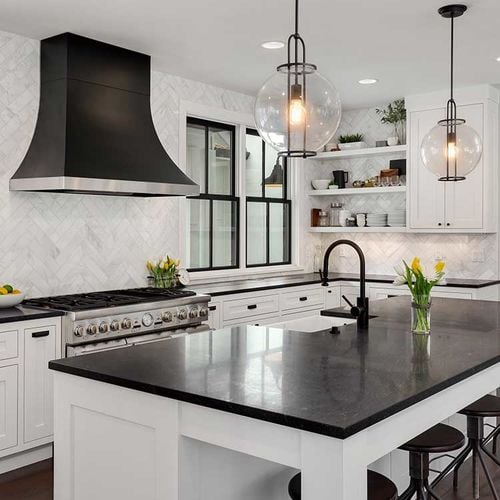
| Kitchen | Clear counters, spotless surfaces, fresh feel |
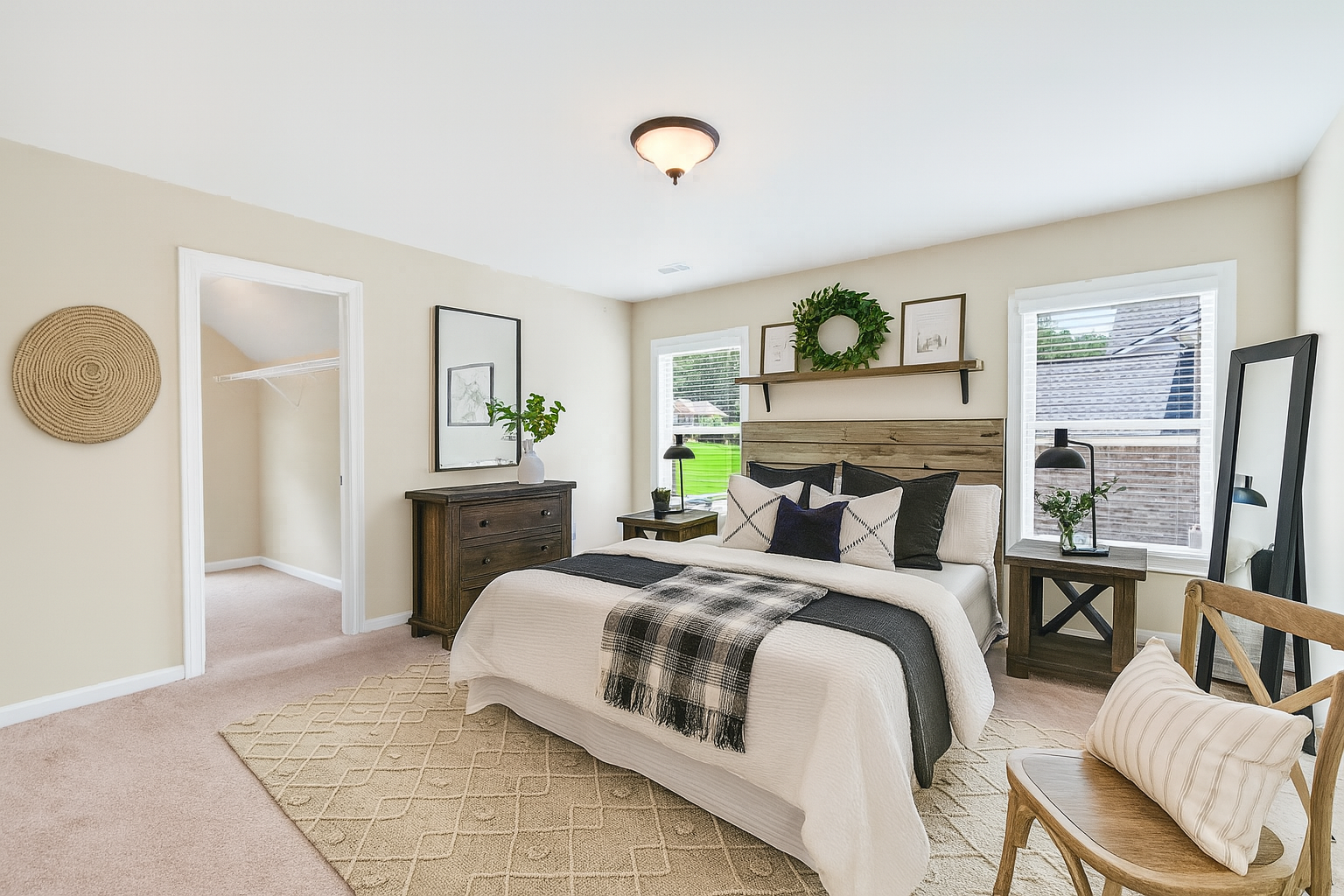
| Primary bedroom | Calm, neutral, hotel-like and uncluttered |
| Bathrooms | Sparkling clean, fresh towels, clear counters |
| Living areas | Open flow, neutral, well lit |
| Storage spaces | Organized and half-empty to suggest space |
The kitchen and primary bedroom in particular reward attention, since they weigh heavily in how buyers feel about a home. Buyers often form a lasting impression of a home in these two rooms, so the effort you put into presenting them clean, open, and neutral tends to return the most. Bathrooms and main living areas come next, with organized storage rounding out the picture by quietly reassuring buyers the home has room to spare.
How do you stage kitchens, bedrooms, and bathrooms?
These spaces are where careful staging pays off most. The approach is the same in each: clear, clean, and present the space simply.
- Kitchen: clear nearly everything off the counters, deep clean every surface and appliance, and keep only a few tasteful items out. A clean, open kitchen reads as well-maintained.
- Primary bedroom: aim for a calm, neutral, hotel-like feel with simple bedding, minimal furniture, and clear surfaces, so it reads as a restful retreat.
- Bathrooms: make them sparkle, add fresh towels, clear the counters, and ensure there are no odors or visible wear; clean bathrooms reassure buyers.
- Closets and storage: organize and thin them out; a half-empty closet suggests the home has ample storage.
Throughout, the principle holds: edit down, clean thoroughly, and let each room's best features show. Note that this is "primary bedroom," the room buyers care about most after the kitchen, so it is worth the extra effort.
What are the most common staging mistakes?
Knowing what to avoid is as useful as knowing what to do, because a few common missteps can undercut otherwise good preparation. Most come down to not editing enough or not seeing the home the way a buyer will.
- Leaving too much furniture and clutter: the most frequent mistake is not removing enough. Crowded rooms feel smaller, and surfaces full of items distract from the space itself.
- Over-personalizing: abundant family photos, collections, and strongly personal décor make it harder for buyers to picture their own lives in the home.
- Skipping the deep clean: a home that is tidy but not truly clean still reads as less cared-for; the details buyers notice matter.
- Ignoring odors: smells from pets, cooking, or smoke are an immediate turn-off and are easy to overlook when you live with them daily.
- Dim lighting: dark rooms feel smaller and less inviting; opening blinds and adding light is a simple, high-impact fix.
- Neglecting the exterior: a strong interior cannot fully recover from a poor first impression at the curb.
A helpful exercise is to walk through your home as if you were seeing it for the first time, or better yet, ask someone whose honesty you trust to do so. We grow used to our own spaces and stop noticing the things a buyer will see immediately. An experienced agent can also point out what to address, since presenting a home objectively is part of the job. Catching these common mistakes before the home hits the market protects the strong first impression you have worked to create.
When is professional staging worth it?
Much of staging you can do yourself with time and effort, and the foundational steps cost little. Sometimes, though, professional help is worth considering: for a vacant home, where staging helps buyers gauge scale and purpose; for a property where presentation strongly affects price, such as higher-end homes; or when you simply lack the time or eye to do it well. A professional stager brings furniture, accessories, and an objective sense of how to present each space to its market.
Whether you stage yourself or hire help, the return comes from the same principle: a well-presented home tends to show better, attract more interest, and support its price. The right level of investment depends on your home, your market, and your timeline. I help sellers decide where staging effort will pay off most and connect them with professionals when it makes sense. To plan your sale, see my sellers page and home value tool.
Frequently Asked Questions
What is the most important step in staging?
Decluttering, depersonalizing, and deep cleaning. These three foundational steps cost little and do the most to help a home show well, often more than any purchase. Do them before anything else.
Which rooms matter most when staging?
The kitchen and primary bedroom carry the most weight, followed by bathrooms and main living areas. Organized storage spaces help too, since they suggest the home has ample room.
Do I need to repaint to stage my home?
Not always, but where paint is worn or in bold colors, refreshing with neutral tones appeals to the widest range of buyers. Focus paint where it has the most visual impact.
Is professional staging worth the cost?
It can be, especially for vacant homes, higher-end properties where presentation affects price, or when you lack the time or eye to stage well. For many homes, thorough do-it-yourself staging of the foundational steps goes a long way.
How does staging help sell a home?
It helps buyers picture themselves living there by presenting clean, open, well-lit, depersonalized spaces. A well-staged home tends to show better, attract more interest, and support its price.
Getting ready to sell?
Good staging is one of the most controllable factors in a sale, and much of it costs little beyond effort. I help sellers prioritize where staging will pay off most and prepare the home to show its best. Visit my sellers page, check your home value, or reach out to plan your sale.
Marna Friedman is a licensed REALTOR® with Atlanta Communities Real Estate Brokerage serving NW Metro Atlanta. Information is deemed reliable but not guaranteed and is subject to change. Equal Housing Opportunity.
Check out this article next