
55+ Active Adult · NW Metro Atlanta
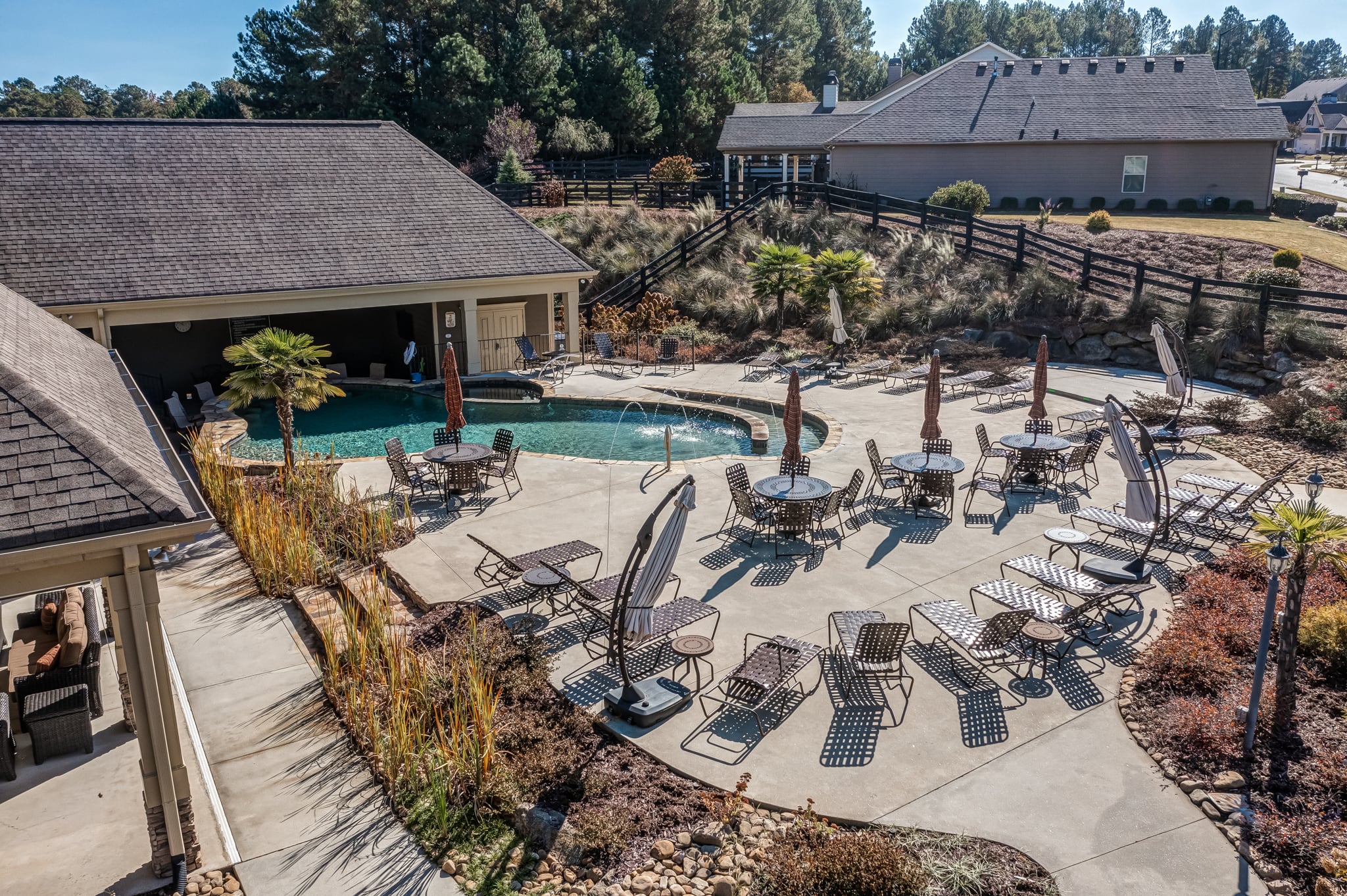
In a 55+ active adult community, the amenities that matter most are the ones that get used: a clubhouse with social and fitness space, a pool, walking paths, courts for pickleball or tennis, and the programming run by a lifestyle director. Just as important is how those amenities are funded and maintained, since a beautiful clubhouse means little if the HOA cannot afford to keep it up. The best approach is to look past the brochure photos and ask how each amenity is operated, staffed, and paid for.
This applies to communities that are legally age-restricted under the Housing for Older Persons Act (HOPA). Below are the amenities worth prioritizing and the questions that separate a well-run community from one that only looks good on paper.
Key Takeaways
- Prioritize amenities you will actually use, not the longest list.
- A clubhouse, fitness space, pool, walking paths, and courts are the common core.
- A lifestyle or activities director often drives how social a community feels.
- How amenities are funded and maintained matters as much as the amenities themselves.
- Ask about HOA dues, reserves, and what upkeep is included before you buy.
Which amenities matter most day to day?
Amenity lists can run long, but a handful do the heavy lifting in active adult living. Focus your tours on these.
- Clubhouse: the social hub, often with gathering rooms, a kitchen or cafe space, and event areas.
- Fitness center: cardio and strength equipment, and frequently group classes.
- Pool: indoor, outdoor, or both, for recreation and low-impact exercise.
- Courts and recreation: pickleball and tennis are increasingly central; some communities add bocce.
- Walking paths and outdoor space: trails, gardens, and gathering areas that get used daily.
- Lifestyle programming: clubs, classes, and events that turn neighbors into a community.
My post on what amenities matter most in a 55+ community goes deeper on how to weigh them.
Why does the lifestyle director matter so much?
Two communities can have identical buildings and feel completely different, and the difference often comes down to programming. A dedicated lifestyle or activities director plans the calendar: fitness classes, interest clubs, group outings, holiday events, and the kind of regular gatherings that make it easy to meet neighbors. Without that role, even excellent facilities can sit underused.
When you tour, ask to see a recent activities calendar. A full, varied schedule is a strong sign that the community is active and well managed. A sparse calendar, or no dedicated director, may mean the social side depends entirely on residents organizing it themselves.
How do you tell if amenities are well funded?
This is where buyers most often skip the homework. Amenities cost money to operate, and that money comes from HOA dues and reserves. Before you fall for a clubhouse, confirm the financial picture.
- What the dues cover: get a written breakdown of what is included versus billed separately.
- Reserve funding: ask whether the HOA holds adequate reserves for major repairs and replacement.
- Special assessments: ask whether any have been levied recently or are anticipated.
- Maintenance responsibility: confirm who maintains amenities and on what schedule.
- Staffing: find out whether the fitness center, gate, or clubhouse are staffed.
A community with rich amenities and thin reserves can be a budgeting risk. One with modest amenities and solid funding may serve you better over time. Always review the current HOA documents rather than relying on a sales conversation. Reserves are easy to overlook because they do not show up on a tour, but they are what pays to replace a roof, resurface a pool, or repave a path years from now without a sudden special assessment. A reserve study tells you whether the HOA is setting aside enough for those future costs, and it is one of the most informative documents you can read before buying.
How do amenity sets compare across communities?
Active adult communities range from compact neighborhoods with a single clubhouse to larger developments with a full amenity campus. Neither is automatically better; it depends on how you want to spend your time and what you are willing to fund through dues.
| Amenity tier | Typically includes | Trade-off |
|---|---|---|
| Essential | Clubhouse, pool, fitness room | Lower dues, fewer extras |
| Active | Adds courts, trails, lifestyle director | Moderate dues, fuller calendar |
| Resort-scale | Larger clubhouse, multiple pools, dining, more | Higher dues, more to maintain |
What questions should you ask on a tour?
A tour is your best chance to test whether the amenities live up to the marketing. Bring this short list.
- What exactly do the HOA dues cover, and what is billed separately?
- Can I see the current activities calendar and the reserve study?
- Is there a lifestyle or activities director, and how active is the calendar?
- Which amenities are staffed, and what are their hours?
- Have there been recent special assessments, and are any expected?
- How and when are major amenities maintained or replaced?
Visit at more than one time of day if you can. A weekday morning and an event evening tell you far more about how the amenities are actually used than a single midday walkthrough.
How do amenities affect home value and resale?
Well-run amenities, backed by sound finances, tend to support demand and resale within a community, because the next buyer is buying the lifestyle as much as the house. Amenities that are poorly maintained, or funded by dues that keep climbing, can have the opposite effect. When you evaluate a community, you are also evaluating how that community is likely to show and sell years from now. I help clients weigh the amenity package against the dues and the community's financial health so the decision holds up over time.
To compare communities, start with my 55+ Active Adult Guide and browse current communities.
How do you match amenities to how you actually live?
The longest amenity list is not the goal; the right list for you is. Two people can tour the same community and reach opposite conclusions, because they want different things from their days. Before you tour, it helps to picture a typical week and ask which amenities you would genuinely use.
- If you are social: weight the clubhouse, gathering spaces, and the activities calendar heavily, and ask how full and varied the programming is.
- If you are fitness-focused: look closely at the fitness center, the pool, walking paths, and class offerings, and check the equipment and hours.
- If you have hobbies: ask about dedicated spaces such as an arts and crafts studio, a card room, or a community garden, and whether active clubs already meet.
- If you travel often: low-maintenance grounds and a lock-and-leave setup may matter more than extensive on-site amenities.
- If you value quiet: a smaller community with essential amenities and lower dues may fit better than a large amenity campus.
It also helps to talk with current residents during a visit. They will tell you which amenities are genuinely active, how welcoming the community feels to newcomers, and whether the calendar lives up to the brochure. Touring at more than one time, a quiet weekday and a busy event evening, gives you an honest read. The point is fit: a community whose daily rhythm matches yours will serve you far better than one that simply has more boxes checked.
Frequently Asked Questions
What amenities are most important in a 55+ community?
The ones you will use most: a clubhouse, fitness space, a pool, walking paths, and courts such as pickleball or tennis, plus a lifestyle director who keeps the social calendar active. Prioritize fit over the longest list.
Are higher HOA dues worth it for more amenities?
Sometimes. Higher dues can fund a fuller amenity set and more services, but only if the community is well managed and funded. Compare what the dues cover and the community's reserves, not just the amenity list.
What is a lifestyle director?
A staff member who plans and runs the community's social calendar: classes, clubs, events, and outings. An active director often makes the difference between facilities that get used and ones that sit empty.
How do I know if amenities are well maintained?
Ask to see the HOA budget and reserve study, find out whether amenities are staffed, and ask about recent or expected special assessments. Touring at different times also shows you real-world condition and use.
Do all 55+ communities have the same amenities?
No. They range from a single clubhouse and pool to a full amenity campus with multiple pools, courts, and dining. The right level depends on how you want to live and what you want to fund through dues.
Finding the right fit?
I help clients match the amenities and the budget to how they actually want to spend their days, and confirm a community is well run before they commit. Start with my 55+ Active Adult Guide, see the 2026 community guide, or reach out to compare options.
Marna Friedman is a licensed REALTOR® (SRES®) with Atlanta Communities Real Estate Brokerage serving NW Metro Atlanta. Information is deemed reliable but not guaranteed and is subject to change. Equal Housing Opportunity.
Check out this article next