
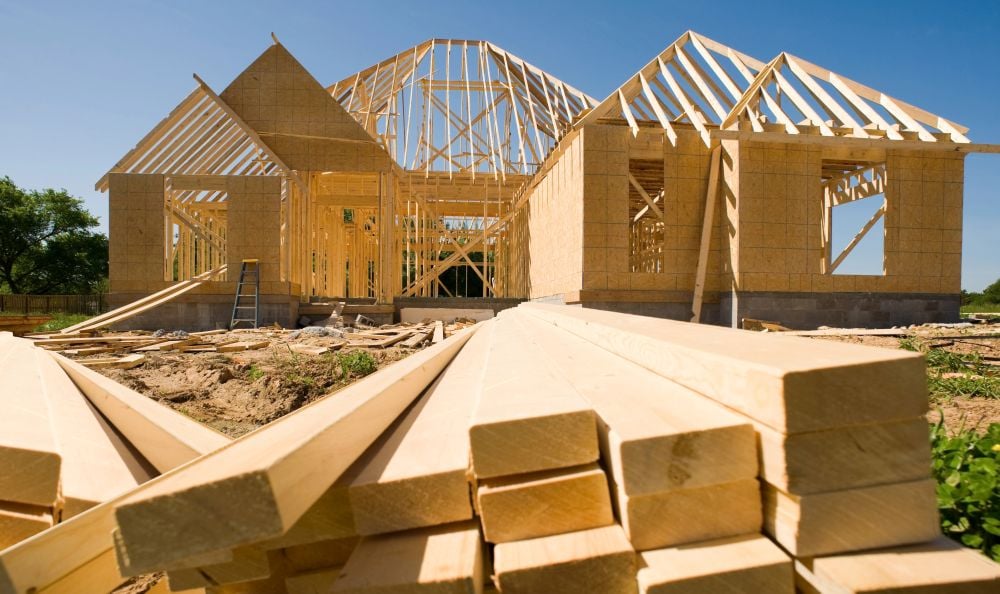
INTRODUCTION
Buying new construction is an exciting process—you're not just purchasing a finished home, you're participating in its creation. But the timeline from your initial home selection to finally moving in can feel like a journey with unexpected twists and turns. Understanding the new construction timeline helps manage expectations and reduces frustration. In this comprehensive guide, I'll walk you through every phase of the process, explain realistic timelines, identify common delays, and share strategies for navigating the journey successfully.TABLE OF CONTENTS
- Understanding the New Construction Process
- Phase 1: Design & Customization (0-2 Months)
- Phase 2: Construction (4-10 Months)
- Phase 3: Final Inspections & Closing (1-2 Months)
- Complete Timeline Overview
- Construction Phases Explained
- The Inspection Process
- Common Construction Delays
- Rate Lock & Interest Rate Considerations
- Contingencies & Financing Timeline
- Pre-Closing Walk-Through
- Moving & Settling In
- Timeline Management Tips
- FAQ: New Construction Timeline
- How I Can Help
Understanding the New Construction Process
Before diving into specific timelines, let's clarify what new construction actually entails. The process differs significantly from buying an existing home.New Construction vs. Resale Timeline
Resale Home: 30-60 days from offer to closing (home is already finished) New Construction: 6-15+ months from purchase to closing (home is being built) The Difference: You're not buying a completed product; you're ordering one that will be built specifically for you. This extended timeline reflects the construction process, customization decisions, inspections, and financing coordination.Why Timeline Matters
Understanding timeline helps you:- Manage expectations realistically (no surprises)
- Plan your relocation and current home sale
- Coordinate employment transitions or relocations
- Arrange temporary housing if needed
- Prepare financially (closing costs, deposits, down payments)
- Reduce stress by knowing what's coming
Your Role in the Timeline
Unlike resale purchases where the home is complete, new construction involves your active participation. You'll make customization decisions, attend inspections, coordinate with builders, and manage financing. The timeline partly depends on how quickly you make decisions.Phase 1: Design & Customization (0-2 Months)
The journey begins when you decide to purchase new construction. This initial phase focuses on design decisions and formalizing your purchase commitment.Week 1-2: Meeting with Builder & Design Consultant
What Happens:- Tour the model homes and available floor plans
- Meet with builder's design consultant
- Review available customization options
- Ask questions about construction, timeline, pricing
- Understand builder's incentive packages
- Select your floor plan (bedroom count, bathroom configuration, overall layout)
- Choose lot location (if multiple lots available)
- Identify upgrade preferences (kitchen, bathrooms, finishes)
Week 2-4: Design Selections
What Happens:- Make specific customization choices
- Select paint colors, flooring materials, countertops, cabinets, hardware
- Decide on appliance packages (standard vs. upgraded)
- Choose lighting fixtures and finishes
- Select any optional features (fireplace, upgraded HVAC, smart home upgrades)
Week 3-4: Purchase Agreement & Deposits
What Happens:- Finalize purchase agreement with builder
- Sign contracts specifying:
- Floor plan and lot
- Purchase price and builder incentives
- Customization selections
- Construction timeline
- Inspection rights and processes
- Financing and contingency requirements
- Provide earnest money deposit (typically 1-2% of purchase price)
Phase 1 Summary
Total Time: 4-8 weeks typically Key Decisions Made: Floor plan, lot, customization selections, purchase price and terms What You've Accomplished: Committed to purchase; home design locked in; construction timeline beginsPhase 2: Construction (4-10 Months)
The longest phase of the timeline, construction involves multiple stages and potential delays. Understanding what's happening helps you manage expectations.Month 1-2: Pre-Construction & Site Preparation
What Happens:- Lot is prepared (graded, utilities established, foundation prepared)
- Weather can delay site prep (rain, snow prevent grading)
- Builder orders materials for construction
- Construction timeline is refined based on lot prep progress
- Equipment on-site
- Grading and excavation
- Delivery of building materials
Month 2-3: Foundation & Framing
What Happens:- Foundation is poured (concrete work)
- Foundation curing (requires time; can't build on uncured concrete)
- Framing begins (wooden framework of home)
- Framing proceeds rapidly (visible progress week-to-week)
- Concrete foundation
- Wooden frame going up
- Rapid visible changes
Month 3-5: Exterior & Rough-Ins
What Happens:- Roof installed (major milestone)
- Exterior sheathing and weather protection
- Electrical rough-in (wiring before walls closed)
- Plumbing rough-in (pipes before walls closed)
- HVAC rough-in (ductwork before walls closed)
- First inspection phase (framing, electrical, plumbing inspections by building officials)
- Roof going on
- Walls being closed in
- Exterior nearly complete
- Building systems being installed
Month 5-8: Interior Work & Systems
What Happens:- Insulation installed
- Drywall hung and taped (walls and ceilings)
- Interior painting
- Flooring installation (hardwood, tile, carpet)
- Cabinet installation
- Countertop installation
- Electrical fixtures and outlets installed
- Plumbing fixtures (sinks, toilets, faucets)
- HVAC system completion
- Door installation
- Lighting fixtures
- Home interior transformation
- Paint colors applied
- Flooring going down
- Cabinets and countertops installed
- Fixtures and hardware installed
- Complexity of design
- Availability of specialized workers (plumbers, electricians, HVAC)
- Material delivery times (countertops, cabinets sometimes custom-ordered)
- Weather (painting and other interior work slower in extremely cold/hot weather)
Month 8-9: Final Systems & Cleanup
What Happens:- Final electrical and plumbing work
- Final HVAC testing and balancing
- Appliance installation
- Exterior finish work (landscaping, driveway, patios)
- Cleaning and final touch-up
- Final inspection by building officials
- Builder's punch-list items
- Home is essentially complete but needing final touches
- Landscaping and outdoor areas finalized
- Final cleanup happening
Month 9-10: Certificate of Occupancy & Ready for Closing
What Happens:- Building official issues Certificate of Occupancy (permission to occupy home)
- Final builder walk-through
- Punch-list items completed
- Home is ready for closing and occupancy
Phase 2 Summary
Total Time: 4-10 months typical (8-10 months average) Factors Affecting Duration:- Weather (rain, snow, extreme heat delay progress)
- Material availability (shortages extend timeline)
- Labor availability (specialty trades sometimes backed up)
- Complexity of design (custom features take longer)
- Building official inspection schedules (if inspectors are busy, inspection delays possible)
- Builder efficiency (some builders faster than others)
Phase 3: Final Inspections & Closing (1-2 Months)
The final phase transitions home ownership from builder to you. This involves inspections, financing finalization, and closing.Week 1-2 Before Closing: Final Walk-Through
What Happens:- You schedule final walk-through of completed home
- Verify all customizations are complete and correct
- Check punch-list items (minor issues) are resolved
- Note any remaining issues for correction before closing
- Verify home is clean and ready for occupancy
Week 1-2 Before Closing: Title Work & Appraisal
What Happens (Lender Side):- Title company conducts title search
- Title insurance is issued
- Appraisal is conducted (lender appraises completed home)
- Final underwriting occurs (lender reviews all documents)
- Clear to close is issued (all conditions satisfied)
3-5 Days Before Closing: Closing Disclosure
What Happens:- Lender sends Closing Disclosure (all final numbers, costs, terms)
- You review for 3 days before closing (legally required waiting period)
- Verify loan terms, interest rate, payment amount
- Verify closing costs and any adjustments
- Ask questions about anything unclear
Closing Day (1 Day)
What Happens:- You meet at title company or attorney's office
- Sign closing documents
- Review and sign:
- Promissory note (loan document)
- Mortgage/deed of trust (property secures the loan)
- Closing statement (all financial details)
- Builder documents (warranty documents, builder certification)
- Title documents (deed transferring ownership)
- Other required documents
- Keys to your new home
- Closing documents
- Warranty information
- Home manual (how to operate systems)
- Homeowners insurance documentation
- Title documents
Phase 3 Summary
Total Time: 4-8 weeks from certificate of occupancy to closing Key Events: Final walk-through, title work, clear to close, closing Result: You own your new home and can move inComplete Timeline Overview
Visual Timeline: Purchase to Move-In
MONTH 1-2: DESIGN & PURCHASE
├─ Week 1-2: Floor plan selection, customization review
├─ Week 3-4: Final customization selections & purchase agreement
└─ Week 4-8: Contract finalized, earnest money deposited

MONTH 2-10: CONSTRUCTION (Average 8 Months)
├─ Month 1-2: Site prep & foundation (weather dependent)
├─ Month 2-3: Framing & exterior (4-8 weeks)
├─ Month 3-5: Rough-ins & inspections (8-12 weeks)
├─ Month 5-8: Interior finishes (12-16 weeks) **LONGEST PHASE**
├─ Month 8-9: Final systems & cleanup (4-6 weeks)
└─ Month 9-10: Certificate of occupancy ready

MONTH 10-11: FINAL INSPECTIONS & CLOSING (4-8 Weeks)
├─ Week 1: Certificate of occupancy issued
├─ Week 2-3: Title work, appraisal, underwriting
├─ Week 3-4: Final walk-through, clear to close
└─ Week 4: Closing day, receive keys

TOTAL: 6-12 MONTHS (Average 8-10 Months)
Different Scenarios
Fast Track (6-7 Months - Rare):- No significant delays
- No weather issues
- Efficient builder
- Simple floor plan
- Standard customizations
- Fast financing
- Some minor delays
- Typical weather impacts
- Standard construction pace
- Some customization complexity
- Normal financing timeline
- Significant weather delays
- Material shortages
- Complex customizations
- Specialized trade delays
- Financing delays or complications
Construction Phases Explained
Understanding what's happening during construction helps manage expectations and reduces worry about delays.Phase 1: Site Preparation (Weeks 1-4)
What Builders Do:- Grade and level the lot
- Install utilities (electrical, gas, water, sewer lines)
- Establish access roads
- Prepare foundation footprint
Phase 2: Foundation (Weeks 4-6)
What Builders Do:- Excavate foundation
- Build foundation forms
- Pour concrete foundation
- Allow concrete to cure (critical—can't build on uncured concrete)
Phase 3: Framing (Weeks 6-10)
What Builders Do:- Build wooden frame of home
- Install roof trusses
- Install roofing materials
- Progress is rapid and visible
Phase 4: Exterior (Weeks 10-16)
What Builders Do:- Sheathe exterior (protective layers)
- Install windows and exterior doors
- Install siding or exterior cladding
- Complete roof
- Install gutters and downspouts
Phase 5: Rough-Ins (Weeks 14-20)
What Builders Do (Overlaps with Exterior):- Electrical rough-in (wires run through walls before drywall)
- Plumbing rough-in (pipes run through walls/floors before drywall)
- HVAC rough-in (ductwork installed)
- Insulation installed
Phase 6: Drywall & Interior (Weeks 16-24)
What Builders Do:- Hang drywall on all walls and ceilings
- Tape and mud drywall (creates smooth finish)
- Paint interior
- Install flooring
- Install cabinets
- Install countertops
- Install interior doors
- Install light fixtures and outlets
Phase 7: Final Work (Weeks 24-28)
What Builders Do:- Finish interior painting
- Install appliances
- Final electrical and plumbing work
- Final HVAC testing
- Exterior landscaping and hardscaping
- Final cleaning
- Punch-list items
Phase 8: Ready for Occupancy (Week 28+)
What Happens:- Certificate of Occupancy issued
- Home is approved for occupancy
- Final walk-through with you
- Closing scheduled
- Home is yours
The Inspection Process
New construction involves multiple inspections—builder inspections and official building code inspections.Builder's Inspections (Internal Quality Control)
What Builders Do:- Conduct their own inspections during construction
- Verify quality of work
- Identify defects and corrections needed
- Ensure code compliance before official inspections
Official Building Code Inspections (Government)
Framing Inspection:- Occurs when frame is complete
- Building official verifies structural integrity
- Checks for code compliance
- If issues, builder must correct before proceeding
- Occurs when electrical rough-in complete
- Inspector verifies wiring is safe and code-compliant
- Tests circuits
- If issues, electrician must correct
- Occurs when plumbing rough-in complete
- Inspector tests for leaks and code compliance
- Verifies pipe sizing and venting
- If issues, plumber must correct
- Occurs when construction complete
- Inspector verifies all systems installed correctly
- Checks that punch-list items addressed
- If approved, Certificate of Occupancy issued
- If issues, builder must correct before occupancy approval
Your Final Inspection (Pre-Closing Walk-Through)
What You Do:- Do final walk-through 24-48 hours before closing
- Verify all customizations complete and correct
- Check that punch-list items resolved
- Verify home is clean and ready
- Note any remaining issues
Common Construction Delays
Understanding common delays helps you anticipate and manage timeline extensions.Delay Type 1: Weather Delays (2-6 Weeks)
Why It Happens:- Rain prevents grading, concrete work, exterior work
- Snow halts most construction
- Extreme heat affects material installation quality
- High winds prevent crane operations or roofing
Delay Type 2: Material Shortages (2-8 Weeks)
Why It Happens:- Builders order materials in advance
- Sometimes materials delayed in delivery
- Supply chain issues affect availability
- Custom materials (cabinets, countertops) have longer lead times
Delay Type 3: Labor Shortages (1-4 Weeks)
Why It Happens:- Specialized trades (plumbers, electricians, HVAC) sometimes backlogged
- Labor shortages in construction industry
- Complex jobs require waiting for specific trade availability
Delay Type 4: Inspection Failures (1-2 Weeks)
Why It Happens:- Building official inspection finds issues
- Builder must correct before proceeding
- Correction requires work and re-inspection
Delay Type 5: Design Modifications (2-4 Weeks)
Why It Happens:- You request changes after customization deadline
- Builder accommodates if possible
- Changes require material ordering and work sequencing adjustments
Delay Type 6: Financing Issues (1-4 Weeks)
Why It Happens:- Lender requests additional documentation
- Underwriting issues require resolution
- Appraisal concerns need addressing
- Your financial situation changes
Total Delay Impact
Realistic Expectation: Most new construction experiences 2-4 weeks of delays beyond base timeline. Worst-Case Scenario: 6-8 weeks of delays possible (weather + material + labor issues). Planning Assumption: Add 2-3 months to builder's estimated timeline for realistic planning.Rate Lock & Interest Rate Considerations
One of the biggest timeline considerations is interest rate risk during construction.What Is Rate Lock?
A rate lock is your lender's guarantee that your interest rate won't change during the loan approval period—typically 30-45 days.Rate Lock Timeline Problem
Here's the Challenge:- You lock rate when applying for loan (Month 2)
- Construction takes 8-10 months
- Rate lock expires after 30-45 days
- You're closing 7+ months after initial rate lock
- What happens to your rate if market changes?
Scenarios
Scenario 1: Rates Drop (Good News)- Your locked rate is higher than current rates
- You might request rate reduction (may not be possible)
- You close at locked rate, which is now worse than market
- Not ideal but manageable
- Your locked rate is lower than current rates
- You close at locked rate, which is now better than market
- Your payment is protected from increases
- You're protected; lender absorbs the cost
- Builder delays extend timeline
- Rate lock expires before closing
- Lender may require rate renegotiation
- You might get worse rate than original lock
- This is frustrating and costly
How to Protect Yourself
Strategy 1: Extended Rate Lock- Request 60-90 day lock if available
- Costs slightly more but protects longer
- Better protection if delays expected
- Negotiate with builder to cover rate lock extension costs if delays occur
- Some builders will do this as part of incentives
- Protects you from delay-caused rate increases
- Accept that 8-month timeline might extend
- Plan for closing 2-3 months later than builder estimate
- This extends rate lock coverage naturally
- Discuss rate lock terms with multiple lenders
- Compare lock lengths and costs
- Choose lender offering best lock protection
Rate Risk Management
Reality: You can't eliminate rate risk during 8-10 month construction timeline. You can only manage it. Best Approach: Secure rate lock coverage through construction. Negotiate builder support if delays occur. Accept some rate risk as part of new construction process.Contingencies & Financing Timeline
Your financing contingencies and timeline interact with construction timeline.Standard Financing Contingencies
Appraisal Contingency:- Home is appraised at completion
- If appraises below purchase price, can be issue
- Usually not problem with new construction (appraisals match price)
- But if market declines, appraisal issues possible
- Your right to inspect home before closing
- Can request repairs or credits for issues
- Builder typically completes punch-list items before closing
- Major defects discovered in inspection should trigger corrections
- Lender issues "clear to close" when all underwriting conditions met
- Typical underwriting takes 2-3 weeks
- Delays happen if lender requests additional documents
- You must be responsive to lender requests
Timing Coordination
Ideal Sequence:- Construction completes (Certificate of Occupancy issued)
- Final walk-through scheduled (24-48 hours later)
- Closing scheduled 3-5 days after walk-through
- Title work and final underwriting occur
- Clear to close issued
- Closing day (1-2 days after clear to close)
Your Responsibilities
To Stay on Timeline:- Respond quickly to all lender requests
- Provide documents lender needs
- Attend final walk-through on schedule
- Be available for closing
- Coordinate with title company
Pre-Closing Walk-Through
The final walk-through is your last opportunity to inspect before ownership transfers. This is critically important.What to Check During Walk-Through
Structural & Exterior:- Roof condition and appearance
- Exterior cladding/siding properly installed
- Windows and exterior doors closing properly
- Gutters and downspouts installed
- Landscaping and hardscaping complete
- Roof properly installed
- No visible damage or gaps
- Attic properly ventilated
- Caulking around windows and doors
- Sealing around pipes and penetrations
- No gaps where water could enter
- Concrete properly finished
- No cracks or major defects
- Proper slope for drainage
- All doors close and lock properly
- Hardware installed correctly
- No damage to doors or frames
- Paint colors match your selections
- Paint quality (no drips, missed areas, or poor coverage)
- Flooring properly installed
- No visible stains, damage, or gaps
- Cabinets installed correctly
- Countertops properly seamed and sealed
- Backsplash installed correctly (if applicable)
- Appliances installed and functioning
- Sink and faucet functioning properly
- Vanities installed correctly
- Countertops and fixtures properly installed
- Shower/tub functioning and sealed properly
- Plumbing fixtures working
- Ventilation fan operational
- Light fixtures installed and working
- Outlets and switches in correct locations
- Proper finish and operation
- Water pressure adequate
- Drains functional
- Hot water working
- No visible leaks under sinks
- Heating/cooling system functional
- Thermostat working
- Air flowing from vents properly
- System is quiet
- Flooring properly installed
- Transitions between rooms smooth
- No gaps or visible defects
- Baseboards installed and finished
- Home thoroughly cleaned
- No construction debris
- Windows clean
- Floors clean
Documentation
Bring:- Notepad and pen (or phone for notes/photos)
- Your original floor plan (verify against actual)
- Your customization selections document
- Camera or phone for photos of issues
- Note any issues found
- Note any customizations not completed
- Document condition of each room
- Take photos of any problems
What to Do If Issues Found
Minor Issues (Paint touch-ups, small cracks, caulking):- Document with photos
- Request correction before closing
- Builder typically corrects minor punch-list items
- Don't close on home with major issues
- Request correction before closing
- Have option to delay closing or renegotiate
- If color or finish doesn't match selection, note it
- Request correction or credit toward correction cost
Timing
Typical Schedule:- Final walk-through scheduled 24-48 hours before closing
- Issues documented at walk-through
- Builder has 24-48 hours to correct
- Closing proceeds as scheduled
- May need to delay closing
- Don't be rushed into closing on home with unresolved issues
- Your inspection contingency protects you
Moving & Settling In
Once you've closed, it's time to move in. Timeline considerations for moving include:Timing Your Move
Same-Day Closing & Move-In:- Close at 10 AM
- Receive keys
- Move in that afternoon/evening
- Can happen but requires coordination
- Close on weekday (Monday-Thursday typical)
- Move the following weekend
- Gives you time to prepare movers
- More reasonable timeline
- Book movers early (2-4 weeks before closing)
- Ensure availability on your move date
- Coordinate utilities (transfer from old home, activate at new home)
- Change address with postal service
Settling Timeline
Week 1:- Unpack essentials (bedding, toiletries, kitchen basics)
- Set up bedrooms and bathrooms
- Arrange basic furniture
- Connect utilities and technology
- Continue unpacking systematically
- Arrange remaining furniture
- Decorate and personalize
- Establish routines
- Mostly unpacked
- Home feeling like yours
- Routines established
- Adjusting to new location
- Completely settled
- Any remaining unpacking done
- Comfortable in new home
- Established in community
Timeline Management Tips
Tip 1: Understand Realistic Expectations
Don't Count on Builder's Optimistic Timeline- Builders often quote fast timelines to attract buyers
- Reality typically adds 2-3 months
- Plan assuming 8-10 months, not 6-7
- Better to be pleasantly surprised by early completion than disappointed by delays
Tip 2: Make Design Decisions Quickly
Customize Early- First 4-6 weeks are window for customization
- Early decisions give builder maximum flexibility
- Late decisions disrupt scheduling
- Make choices promptly; don't delay decisions
Tip 3: Get Pre-Approved for Financing
Don't Wait for Later- Get pre-approved before selecting home
- Lender pre-approval is good for 60-90 days
- If construction extends beyond pre-approval, need to reapply
- Pre-approval shows you're serious buyer
Tip 4: Understand Your Rate Lock Coverage
Discuss with Lender- How long is rate lock?
- What happens if construction delays and lock expires?
- Can you extend lock and at what cost?
- Does builder cover lock extension if builder delays?
- Clarify rate risk before signing purchase agreement
Tip 5: Plan Your Current Home Sale
If Selling Current Home:- Time sale to close before new home closing
- Don't be without home between sales
- Coordinate timeline: sell, then buy closing follows
- Some buyers rent temporarily between sales
- Factor home sale timeline into new construction timeline
Tip 6: Maintain Stable Finances
During Construction:- Don't change employment
- Don't take on new debt
- Don't close credit card accounts
- Don't make large purchases
- Lender re-verifies finances closer to closing
- Financial changes late in process can cause problems
Tip 7: Stay in Regular Contact with Builder
Don't Assume Everything Is Fine- Check in monthly on progress
- Ask about any delays or issues
- Attend walk-throughs at various phases
- Stay informed of timeline
- Communicate any concerns
Tip 8: Document Everything
Keep Records:- All emails and communications with builder
- Customization selections and confirmations
- Construction timeline updates
- Photographs of construction progress
- Notes from walk-throughs
- Documentation protects you if disputes arise
Tip 9: Plan for Delays
Budget Extra Time:- Plan move 1-2 months after builder's estimate
- Arrange temporary housing if needed (short-term rental)
- Don't make job change contingent on exact closing date
- Be flexible with your timeline
Tip 10: Use a Real Estate Agent
Professional Guidance:- Agent knowledgeable about new construction process
- Agent protects your interests in builder contract
- Agent advocates if delays occur
- Agent helps manage timeline and expectations
- Investment in agent often returns through better contract terms and advocacy
FAQ: New Construction Timeline
Q: How long does new construction typically take?
A: 6-12 months from purchase to closing, with 8-10 months being average. Design phase takes 1-2 months; construction 4-10 months; final inspections/closing 1-2 months.Q: What causes delays most often?
A: Weather (site prep, framing, exterior work), material shortages (especially custom items like countertops/cabinets), and trade labor availability. Most projects experience 2-4 weeks of delays.Q: Can I speed up the timeline?
A: Limited ability to speed process. Early customization decisions help. Some builders offer "quick move" incentives. Material upgrades won't speed—might slow (custom items take longer). Accept that 8-10 month timeline is realistic.Q: What if I need home by specific date?
A: Communicate deadline to builder upfront. Builder may not be able to guarantee. If timeline critical, consider resale home instead (30-60 days). New construction carries timeline risk you must accept.Q: Does weather really delay construction that much?
A: Yes, significantly. Spring rain, summer heat, winter snow all impact progress. North Georgia has spring/fall rainy seasons and winter weather. Build 2-3 weeks of weather delay into expectations.Q: What if construction takes longer than promised?
A: Happens frequently. Builder's estimate is best-case scenario. Review purchase agreement for timeline commitments and remedies if significantly delayed. Most builders aren't contractually liable for delays unless agreement specifies penalties.Q: When do I need to be ready to close?
A: Builder will notify you 2-3 weeks before estimated closing. You'll need to finalize financing, schedule final walk-through, and arrange movers. Typically 7-14 days notice before actual closing.Q: Can I move in before official closing?
A: Generally no. Builder maintains possession until closing. Early occupancy sometimes negotiated but complicated legally. Better to wait for official closing and ownership transfer.Q: What if I'm not ready to close when home is ready?
A: Communicate with builder. Short delays sometimes accommodated. Extended delays may trigger builder penalties or loss of earnest money. Understand your obligations before signing.Q: How long after Certificate of Occupancy until closing?
A: Typically 1-2 weeks. Time needed for final walk-through, title work, clear to close, and scheduling closing appointment.Q: What if inspection reveals major issues?
A: Your inspection contingency protects you. You can request repairs, request credits toward repair costs, or delay closing while issues are addressed. Don't close on home with major unresolved issues.How I Can Help
Navigating the New Construction Timeline
The new construction process is complex, with many decisions and potential delays. I help clients understand timeline, manage expectations, and protect their interests throughout the process.What I Specialize In
New Construction Purchase Process:- I negotiate builder contracts, ensuring fair terms and protection
- I explain timeline realistically (not builder's optimistic estimate)
- I advocate if delays occur or issues arise
- I represent your interests throughout process
- If selling current home, I help time sale to align with new construction timeline
- I manage coordination between sale and purchase closings
- I help you plan for potential delays
- I discuss rate lock implications with you
- I help you understand rate risk and protect yourself
- I encourage early pre-approval and stable finances
- I maintain professional relationship with builder on your behalf
- I advocate if issues arise during construction
- I stay informed of progress and potential delays
- I keep you updated throughout process
- I coordinate final walk-through to verify customizations and condition
- I document any issues found
- I ensure you don't close on home with unresolved major issues
- I guide you through closing process
Get Expert Guidance
If you're considering new construction and want to understand the timeline and process, let's discuss. I'll explain realistic timeline, potential delays, how to protect yourself, and whether new construction is right for your situation. Call or text: 678-920-3099 Email: [contact form] Understanding the timeline upfront helps manage the journey successfully.About Marna Friedman
I'm a top-producing realtor and Certified New Home Sales Expert specializing in new construction throughout NW Metro Atlanta. I work specifically with buyers navigating new construction purchases, helping them understand the process, manage timelines, and protect their interests. With years of experience in new construction, I've guided dozens of families through the complete timeline—from design customization through move-in. I understand the timeline challenges, potential delays, and how to navigate them successfully.Curious how new construction ranks in our specialty areas? See our Lifestyle Rankings Guide
Check out this article next