
Why You Need Your Own Agent When Buying New Construction
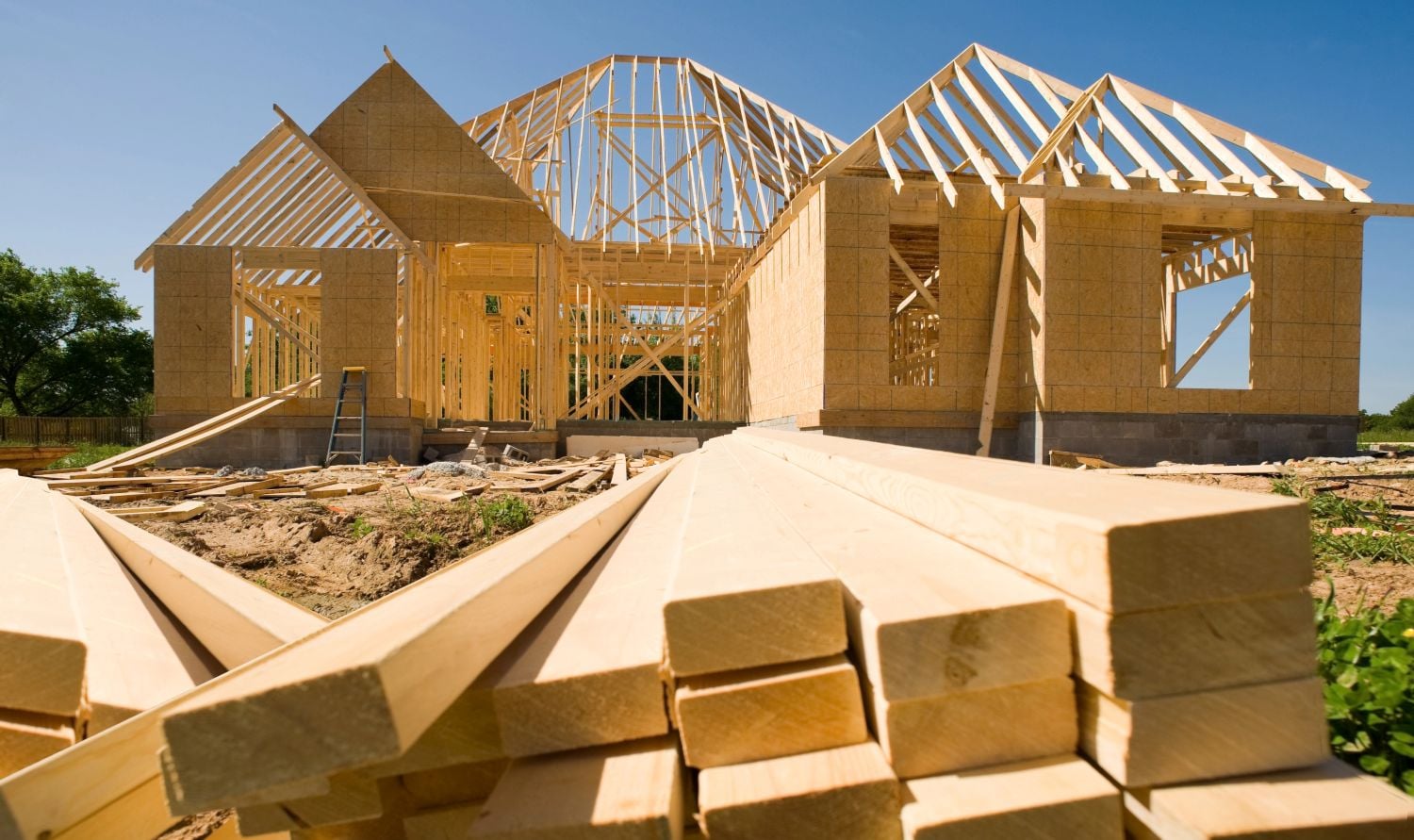
New Construction · NW Metro Atlanta
When you buy new construction, the agent in the model home works for the builder, not for you. Their job is to sell the builder's homes on the builder's terms, using the builder's contract. That is not a knock on them; it is simply whose interests they represent. Having your own agent gives you someone whose duty runs to you: reviewing the contract, weighing upgrades against resale, attending key milestones, and advocating for you at the walkthrough. It is one of the simplest ways to protect your interests in a process that is otherwise built around the builder.
Here is exactly what your own agent does in a new-construction purchase, and why it matters at each stage.
Key Takeaways
- The builder's sales agent represents the builder, not the buyer.
- Your own agent reviews the builder contract and explains what it does and does not protect.
- An agent helps you weigh design-center upgrades against resale value.
- Your agent advocates for you at the final walkthrough and helps you build a thorough punch list.
- In many communities, you must have your agent involved from your first visit to be represented.
Who does the model-home agent actually represent?
The on-site sales agent is hired by and works for the builder, and they owe their duties to the builder. They can be helpful and informative, but they are not negotiating against their own employer on your behalf, and they are not pointing out where the builder's contract favors the builder. When you walk in alone, no one in that office is representing your side of the transaction. That is the gap your own agent fills.
I explain the dynamic in more detail in the value of an agent when buying your new construction home.
What does your own agent do at each stage?
Representation is not a single act; it shows up across the whole process. Here is where it matters most.
- Before you choose: compares builders, communities, floor plans, and included features so you are not relying only on one builder's pitch.
- At the contract: reviews the builder's contract with you, flags open-ended terms, and explains deposits, timelines, and contingencies.
- At the design center: helps you separate upgrades that add resale value from those that are mostly personal preference.
- During construction: tracks milestones and keeps communication clear between you and the builder.
- At the walkthrough: helps you build a thorough punch list and advocates for items to be corrected.
- Through closing: coordinates with your lender and reviews closing details before you sign.
What can go wrong without representation?
Buyers who go it alone often discover the gaps too late: a contract term they did not understand, upgrades that did not hold value, or a completion delay with no clear remedy. None of these means the builder acted in bad faith; they reflect the reality that the contract and process are built around the builder. My post on the do's and don'ts of buying a new construction home covers the most common missteps in detail.
- Signing a builder contract without understanding deposit refundability or delay terms.
- Over-investing in design-center upgrades that do not return at resale.
- Skipping or rushing the walkthrough and punch list.
- Assuming the on-site agent is looking out for your interests.
How does representation compare, with or without your own agent?
| Stage | With your own agent | Builder's agent only |
|---|---|---|
| Whose interests | Yours | The builder's |
| Contract review | Walked through with you | Presented to sign |
| Upgrade guidance | Resale-minded advice | Sales-oriented |
| Walkthrough | Advocate on your side | Builder-led |
| Negotiation | Pursues incentives and terms for you | Represents the builder's terms |
How does builder registration affect representation?
One detail trips up more new-construction buyers than any other: builder registration. Many builders have a policy that your agent must accompany you, or formally register you, on your very first visit for that agent to represent you in the purchase. If you tour the model alone and provide your information at the desk, you may be recorded as an unrepresented buyer, and adding your own agent later can become difficult or impossible at that community.
The fix is simple and costs nothing: talk to an agent before you visit, and either bring them along or have them register you in advance. This single step preserves your ability to be represented through the entire transaction. If you have already visited a community on your own, do not assume the door is closed; ask an agent right away, because policies vary and timing matters. The earlier you involve representation, the more options you keep.
What does an agent look for in the builder contract?
The builder contract is written to protect the builder, so a careful read is where your own agent earns their keep. These are the areas that most deserve attention before you sign.
- Completion timeline: the expected date and what remedies, if any, exist if construction runs late.
- Deposits: how much, how they are held, and under what circumstances they are refundable.
- Financing and appraisal terms: what happens if the appraisal comes in low or financing changes.
- Allowances and upgrades: exactly what is included versus what is billed at the design center.
- Inspection rights: your ability to inspect the home before closing, even on a brand-new build.
- Warranty terms: what is covered, for how long, and how to request repairs.
None of these are reasons to walk away from a new build. They are simply the places where understanding the fine print protects your money and your timeline. A new home is a major purchase, and reading the contract with someone whose job is to represent you, not the builder, is the most straightforward safeguard you have.
What questions should you ask a builder before signing?
Whether or not you have your own agent yet, walking into a builder conversation with the right questions puts you on firmer footing. Your own representation will dig into the contract, but these are the basics worth raising early.
- What is included in the base price, and what is an upgrade at the design center?
- What is the realistic completion timeline, and what happens if it slips?
- How much is the deposit, how is it held, and when is it refundable?
- What incentives are available, and are they tied to using the builder's lender or title company?
- Can I have an independent inspection before closing on the new home?
- What does the warranty cover, for how long, and how do I request repairs?
The answers tell you a great deal about how a builder operates and where your attention should go. They also surface the items your agent will want to confirm in writing, since a friendly verbal answer in the model home is not the same as a contract term. Ask these early, before emotions and a favorite floor plan make it harder to walk away from terms that do not work for you. A new home is one of the largest purchases most people make, and a short list of direct questions, paired with your own representation, is the simplest way to protect that investment.
Frequently Asked Questions
What does my own agent do that the builder's agent will not?
Your agent represents your interests rather than the builder's. That means reviewing the builder contract with you, helping you weigh upgrades against resale value, tracking construction milestones, and advocating for you at the final walkthrough and punch list.
When do I need to bring my agent in?
As early as possible, ideally on your first visit. Many builders require your agent to accompany or register you on the initial visit for you to be represented. Once you have visited alone and registered, it can be harder to add representation.
Can my agent help me negotiate with a builder?
Yes. While builders often hold the base price, an agent can pursue incentives such as closing-cost help, rate buydowns through a preferred lender, or design credits, and can press on contract terms that matter to you.
What if I already started working with the builder's agent?
Talk to an agent right away about your situation. Builder registration rules vary, so the sooner you ask, the more options you are likely to have.
Is the builder's agent dishonest?
No. They simply represent the builder, not you. Your own agent fills the role of looking out for your interests across the contract, selections, construction, and walkthrough.
Building or buying new? Bring representation.
The simplest way to protect yourself in a new-construction purchase is to have your own agent from the very first visit. I represent buyers across NW Metro Atlanta from contract through closing. Read about the value of an agent, explore the New Construction Companion, or visit my buyers page to get started.
Marna Friedman is a licensed REALTOR® with Atlanta Communities Real Estate Brokerage serving NW Metro Atlanta. Information is deemed reliable but not guaranteed and is subject to change. Equal Housing Opportunity.