New Construction · NW Metro Atlanta
A new construction home typically moves through a predictable sequence: permitting and site work, foundation, framing, mechanical systems (the rough-in), insulation and drywall, interior and exterior finishes, and finally inspections, a walkthrough, and closing. From the start of vertical construction, many single-family homes take several months, though the full timeline depends on the plan, the homesite, the builder's schedule, weather, and how quickly your selections are made. Knowing the stages helps you track progress, time your decisions, and plan your move with confidence.
Here is what happens at each stage, what affects the schedule, and where your decisions matter most.
Key Takeaways
- A typical build moves from permits and site work through foundation, framing, rough-in, finishes, and closing.
- From the start of construction, many homes take several months to complete.
- Weather, selections, materials, and the builder's schedule all affect timing.
- Structural selections lock in earliest; finish selections follow at the design center.
- A final walkthrough and punch list happen before closing, followed by a builder warranty.
What are the main stages of a build?
Most builders follow the same broad sequence. The names vary, but the order rarely does. Each stage builds on the one before it, which is why the schedule is sequential rather than something that can be rushed by working on everything at once.
- Permitting and site preparation: permits are pulled and the lot is cleared, graded, and prepped.
- Foundation: the slab, crawl space, or basement is formed and poured, then cured.
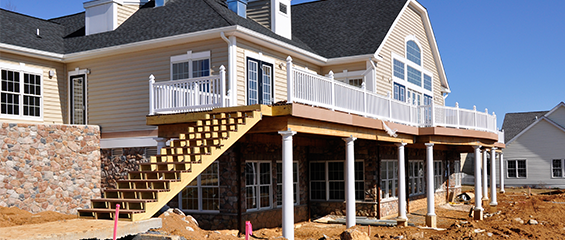
- Framing: the structure goes up, walls, floors, and the roof, giving the home its shape.
- Rough-in: plumbing, electrical, and HVAC are run before the walls are closed.
- Insulation and drywall: the home is insulated, then drywall is hung and finished.
- Interior and exterior finishes: cabinets, flooring, fixtures, paint, siding, and landscaping.
- Inspections, walkthrough, and closing: final inspections, your walkthrough and punch list, then closing.
How long does each stage take?
Exact timing varies by builder and home, but the relative length of each stage is fairly consistent. Use this as a general guide rather than a guarantee.
| Stage | Relative duration | Main variables |
|---|---|---|
| Permits and site work | Weeks | Local permitting, lot conditions |
| Foundation | Weeks | Weather, curing, type (slab/basement) |
| Framing | Several weeks | Home size, labor, weather |
| Rough-in | Weeks | Inspections, trade scheduling |
| Insulation and drywall | Weeks | Drying time, finish quality |
| Finishes | Several weeks | Selections, material availability |
| Walkthrough and closing | Weeks | Punch list, final inspections, financing |
What can delay a build?
Delays are common and usually not anyone's fault. Understanding the typical causes helps you keep realistic expectations and avoid scheduling a move too tightly against a projected completion date.
- Weather: heavy rain can stall site work, foundation, and exterior stages.
- Permitting and inspections: municipal timelines and required inspections add time between stages.
- Material availability: backordered materials can hold up specific stages.
- Labor and trade scheduling: coordinating multiple trades is a frequent bottleneck.
- Late selections or changes: decisions made late, or changed mid-build, push the schedule.
Because of these variables, treat any completion date as an estimate. Keep flexibility in your move plans, especially if you have a lease ending or a home to sell. A practical approach is to build a buffer of several weeks into your plans and to avoid committing to a hard move-out date or scheduling movers until the home is far enough along that the builder's date is reliable. Ask your builder how they handle and communicate schedule changes, and how firm the current projection is, so you are planning against realistic information rather than the earliest possible date. The more cushion you leave, the less stressful a normal delay becomes.
When do your decisions need to happen?
Your choices are front-loaded. Structural decisions, things that affect the framing and systems, must be made early, often before or right after the contract. Finish selections at the design center come next and have their own deadlines. Once a stage is built, changing it is costly or impossible.
- Earliest: structural options like a basement, an additional bedroom, or a covered porch.
- Early: major systems and layout choices tied to the rough-in.
- Mid: design-center finishes, cabinets, counters, flooring, fixtures, and paint.
- Late: minor cosmetic items, where still allowed.
Staying ahead of these deadlines is one of the biggest things within your control. The New Construction Companion lays out how selections map to the timeline.
What happens at the walkthrough and closing?
As construction wraps, the home goes through final inspections, and you complete a walkthrough with the builder. This is your chance to inspect the finished home and document anything that needs correcting on a punch list. Even though the home is brand new, a thorough walkthrough matters, and many buyers also schedule an independent inspection. Punch-list items are typically addressed before or shortly after closing, and a builder warranty covers defined items afterward. Take your time during the walkthrough: test outlets, fixtures, doors, and windows, run the major systems, and look closely at finish work, since it is easier to have items corrected before closing than after you have moved in.
Once financing is finalized and the home passes final inspection, you close and receive the keys. Keep your walkthrough notes and any written builder responses in case a warranty issue arises later.
How can you stay on top of the process?
The build runs more smoothly when you stay engaged without micromanaging. A few habits help: ask the builder how they communicate progress and at what milestones, make your selections by their deadlines, keep your lender updated, and visit the site at key stages so you understand what you are looking at. Having your own representation involved means someone is tracking the milestones with you and advocating for your interests at the walkthrough. To explore communities and plans, see my new construction page or browse new construction in Cobb County.
What inspections happen during the build?
A new home goes through inspections at several points, and understanding them helps you see why the schedule pauses between stages and where your own oversight adds value. There are two kinds: required municipal inspections, and optional independent inspections you can arrange.
- Municipal inspections: the local jurisdiction inspects key stages, such as the foundation, framing, rough-in of systems, and a final inspection before a certificate of occupancy. Each must pass before work continues.
- Pre-drywall (independent): many buyers hire their own inspector before insulation and drywall close up the walls. This is the best moment to verify framing, plumbing, electrical, and HVAC while everything is still visible.
- Final (independent): a separate inspection near completion catches finish and functional issues before your walkthrough and closing.
The pre-drywall stage is the one buyers most often overlook, and it is the hardest to revisit later. Once the walls are closed, confirming what is behind them becomes far more difficult and expensive. Even on a reputable builder's home, an independent set of eyes at that point is worthwhile, and any issues found can be addressed before they are sealed in.
Confirm in advance whether your contract allows independent inspections and at what stages, since access policies vary by builder. Keeping copies of inspection results, along with your walkthrough punch list, gives you documentation if a warranty question comes up after you move in. This is also a point where your own representation can help coordinate timing and make sure nothing slips between stages.
Frequently Asked Questions
How long does it take to build a new home?
From the start of construction, many single-family homes take several months, with the exact timeline depending on the plan, homesite, builder schedule, weather, and how quickly selections are made.
What is the rough-in stage?
The rough-in is when plumbing, electrical, and HVAC are installed before the walls are closed up with insulation and drywall. It is inspected before the next stage proceeds.
Can weather really delay my build?
Yes. Heavy rain can stall site work, foundation pours, and exterior stages, and a wet season can add time across several phases. Build flexibility into your move plans accordingly.
When do I make my design selections?
Structural options lock in earliest, often around the contract. Finish selections at the design center come next, each with its own deadline. Making decisions on time keeps the schedule from slipping.
Is the completion date guaranteed?
Treat it as an estimate. Builders provide projected dates, but weather, permitting, materials, and labor can shift them. Review how your contract addresses timing and delays.
Building a new home?
Knowing the timeline helps you plan with confidence and make decisions on schedule. I can help you compare builders and plans and stay on top of milestones from contract to closing. Explore my new construction resources, read the New Construction Companion, or reach out to get started.
Marna Friedman is a licensed REALTOR® with Atlanta Communities Real Estate Brokerage serving NW Metro Atlanta. Information is deemed reliable but not guaranteed and is subject to change. Equal Housing Opportunity.
Check out this article next